

Understanding Japanese encephalitis virus transmission and control
October 16, 2025
The Crawford Fund’s highly sought after Student Awards are one way we support and encourage the next generation of Australians into study, careers and volunteering in international agricultural research.
The awards are funded by our State and Territory Committees and made possible by organisations including ACIAR, international centres, Australian and overseas universities and NGOs who host our awardees.
Our 2026 Student Awards will be launched next month!
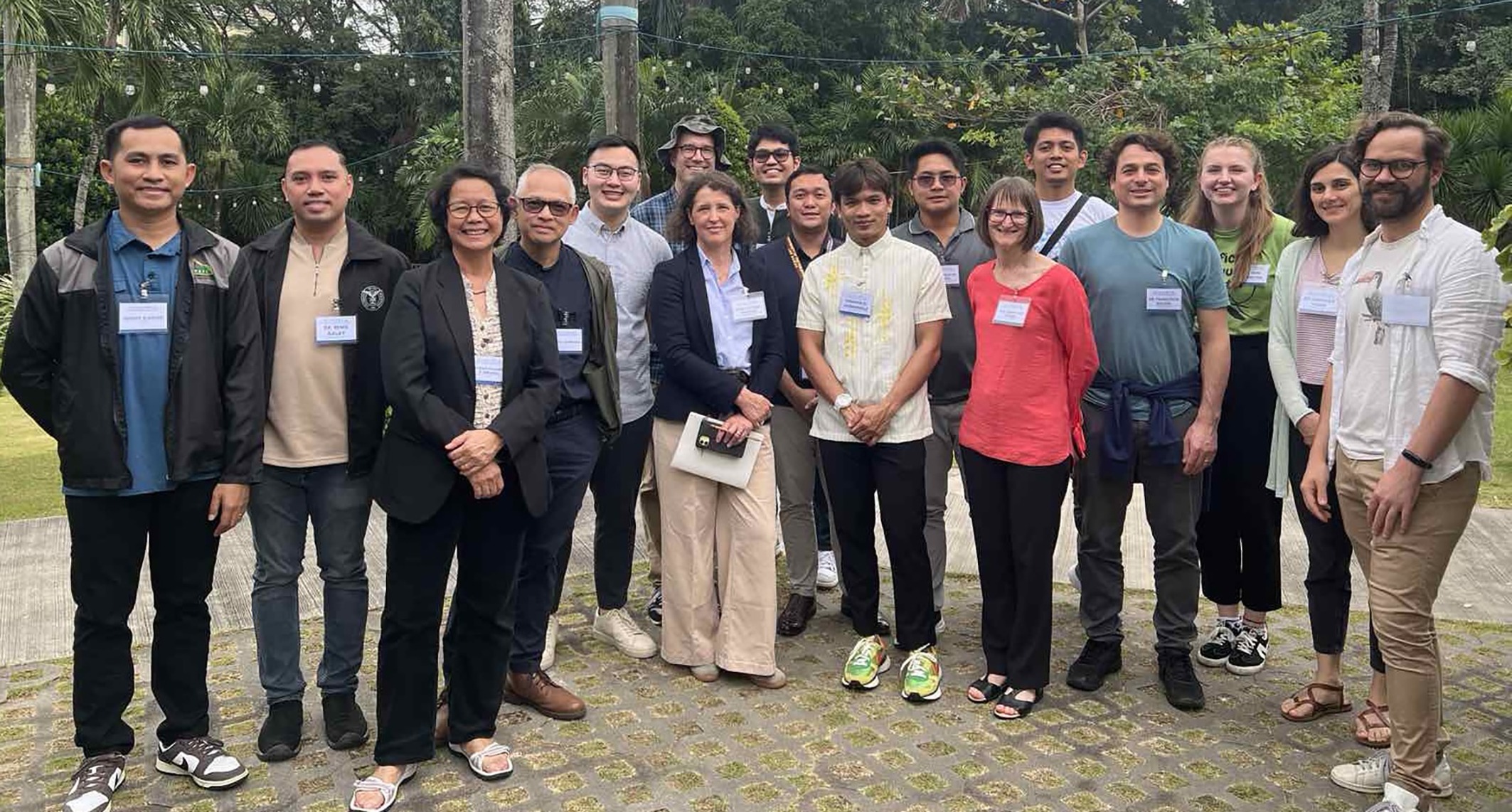
Eighteen talented university students from around Australia were awarded our 2024 Student Awards. As part of this cohort, we would like to share the experience of Troy Laidlow, a PhD student from the University of Sydney, who travelled to the Philippines supported by the NSW Crawford Fund Committee, to undertake research into Japanese encephalitis virus (JEV), a mosquito-borne zoonotic disease of increasing relevance to Australia.
Japanese encephalitis (JE) is a mosquito-borne zoonotic disease that threatens public health and food security across Asia and the Pacific. Caused by Japanese encephalitis virus (JEV), it circulates between Culex mosquitoes and pigs, with wild birds as reservoir hosts.
While endemic in Southeast Asia, JEV’s recent emergence in southern Australia – including a 2022 outbreak affecting piggeries across multiple states – highlights the growing risk of geographic expansion. The virus poses a significant threat to pig production through abortion storms, piglet mortality, and trade restrictions, with serious consequences for rural livelihoods and agricultural economies. In humans, JEV infection can cause severe neurological illness, with around 100,000 cases and 25,000 deaths globally each year; nearly half of survivors face lasting neurological damage.
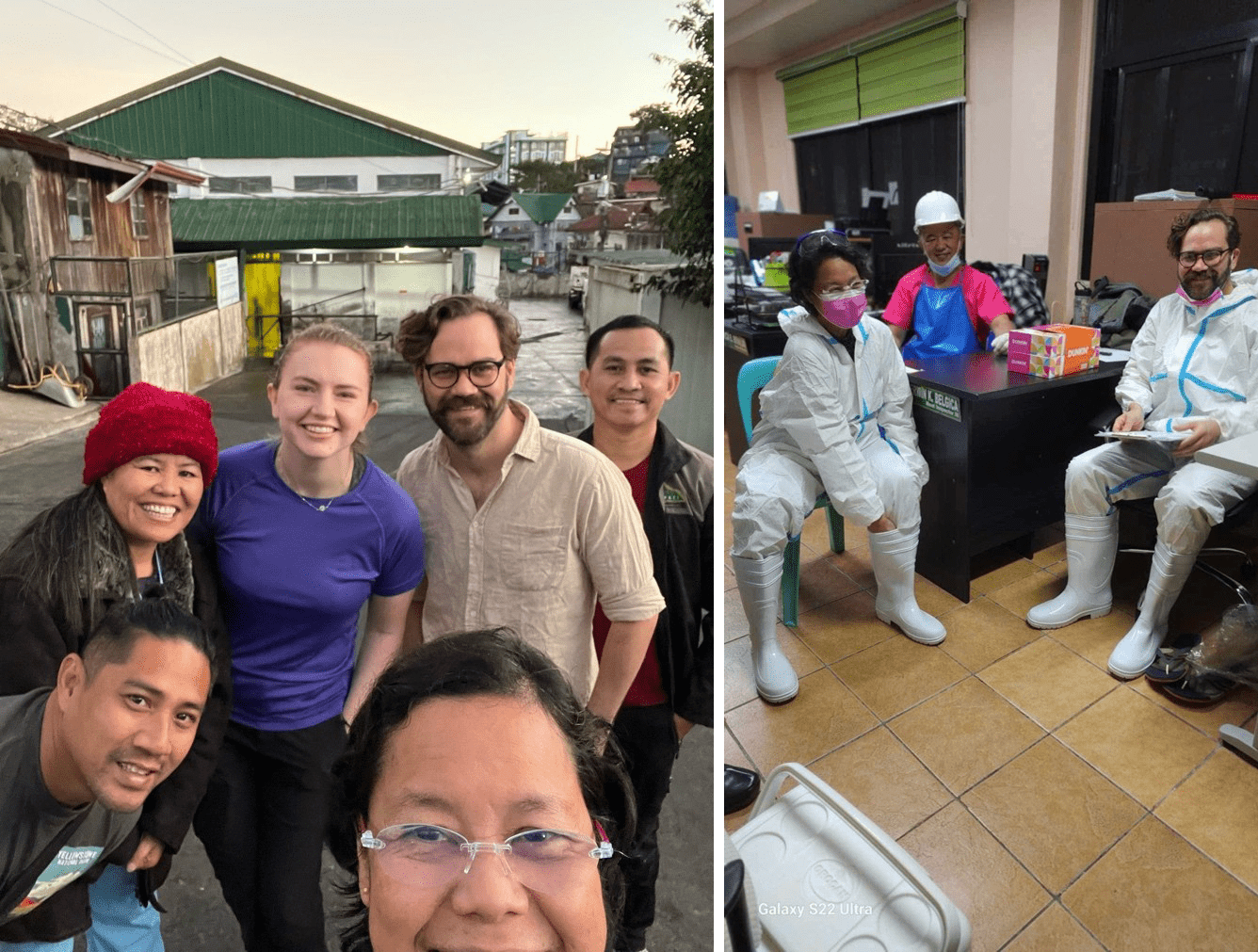
“My research focuses on developing a mathematical model to predict and prevent JEV, with a view to improving surveillance and preparedness strategies. Mathematical models help us understand the drivers of transmission and are most useful when grounded in real-world data,” said Troy.
“Through a collaboration between the University of Sydney, University of Glasgow, and Field Epidemiology Training Program Alumni Foundation, Inc. (FETPAFI), I contributed to a One Health surveillance program involving mosquito trapping, pig serum sampling, and community engagement in rural and peri-urban areas in the Philippines,” said Troy.
“This practical insight into combined vector and host surveillance systems has deepened my understanding of how such approaches can be adapted to the Australian context,” he said.
With support from the Crawford Fund Student Award, Troy travelled to the Philippine provinces of Benguet, Tarlac, and Zambales. There, he joined an international research team conducting field-based surveillance of JEV vectors and hosts. As part of this fieldwork, he was involved in:
- Mosquito Surveillance: helping to set and collect mosquito traps in rural and peri-urban areas to monitor local mosquito populations. Captured mosquitoes were identified using physical characteristics and preserved for later analysis.
- Pig Serum Sampling: assisting with planning and collecting blood samples from pigs at provincial abattoirs to test for exposure to JEV. This involved working with local veterinary and abattoir staff, as well as agricultural agencies, to ensure the samples were representative of the wider region.
- Symposium Participation and Research Exchange: presenting early findings from his modelling and Australian fieldwork as part of his PhD studies at the 2025 One Health Vector-Borne Diseases Symposium. The event also offered opportunities to discuss research priorities with experts from across Southeast Asia, helping shape future strategies for vector-borne disease prevention and control at national, provincial, and barangay levels in the Philippines.
- Community Engagement: spending time speaking with community members and barangay health officers to learn about their knowledge, experiences, and practices related to mosquito-borne diseases. These conversations provided important context for the fieldwork.
“This fieldwork provided valuable experience in real-world vector and host surveillance in an endemic setting. Working alongside Filipino researchers and local health professionals, I gained practical skills and deeper understanding of the ecological and operational factors that shape JEV transmission and control,” he said.
According to Troy, the project contributed to JEV surveillance efforts in the Philippines while generating important lessons for Australian preparedness. These included adaptable surveillance methods, the value of community knowledge, and the challenges of cross-sector coordination.
“Professionally, this experience sharpened my technical skills, strengthened international research ties, and reinforced the importance of field-based learning in applied disease modelling,” he said.
“This project directly contributed to agricultural biosecurity and regional food system resilience – key priorities for safeguarding rural livelihoods and sustainable livestock production, aligning closely with the Crawford Fund’s mission to support global food security. In doing so, it also strengthened Australia’s capacity to respond to emerging zoonoses that affect both human and animal health, supporting broader One Health objectives,” he concluded.