

Evaluating agricultural innovations and socioeconomic pathways in South Pacific agrifood systems
October 23, 2025
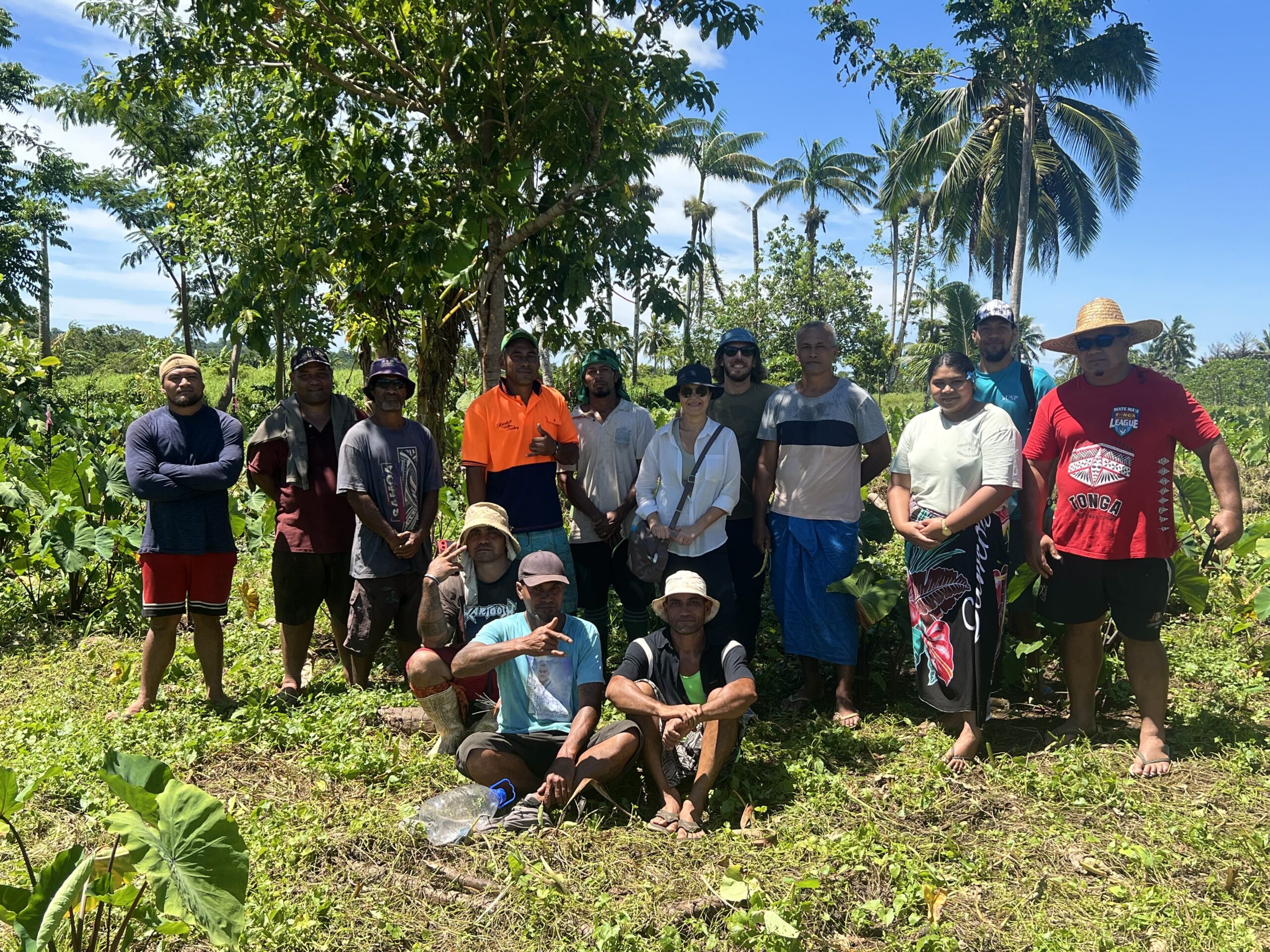
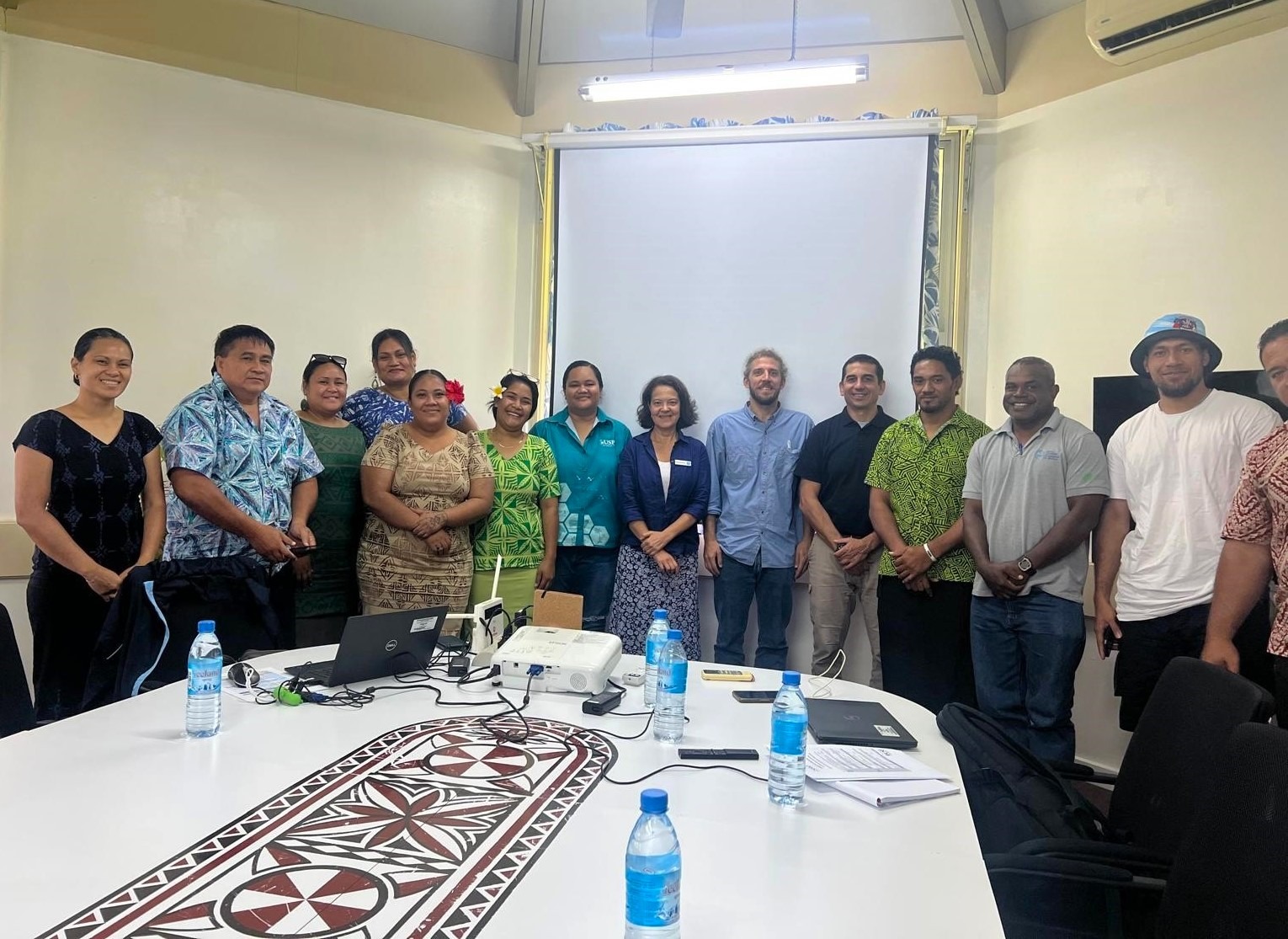
The Crawford Fund’s South Australia Committee supported two training workshops on ‘Evaluating agricultural innovations and socioeconomic pathways in South Pacific agrifood systems’ this year. The two-day workshops were held at USP Alafua in Samoa and at the Koronivia Research Station of the Ministry of Agriculture in Fiji for a total of 30 participants – including researchers, managers, extension officers, lead farmers, and postgraduate students.
In each country, the participants represented six different agencies, including government, academia, research, NGO, and farming bodies. All participants work or study in agriculture-related areas. The group also included research students from the University of the South Pacific in Samoa and the Fiji National University in Fiji, some of whom are recipients of the ACIAR-PASS Programme.
Both workshops were delivered over two days, facilitated by CSIRO’s Marta Monjardino and Francesco Tacconi. Invited speakers were CSIRO’s Dr Diogenes Antille, DFAT SciTech4Climate project leader, and UTAS’ Sarah Fulton, Agriculture Science Honours student and 2024 Crawford Fund Student Awardee.
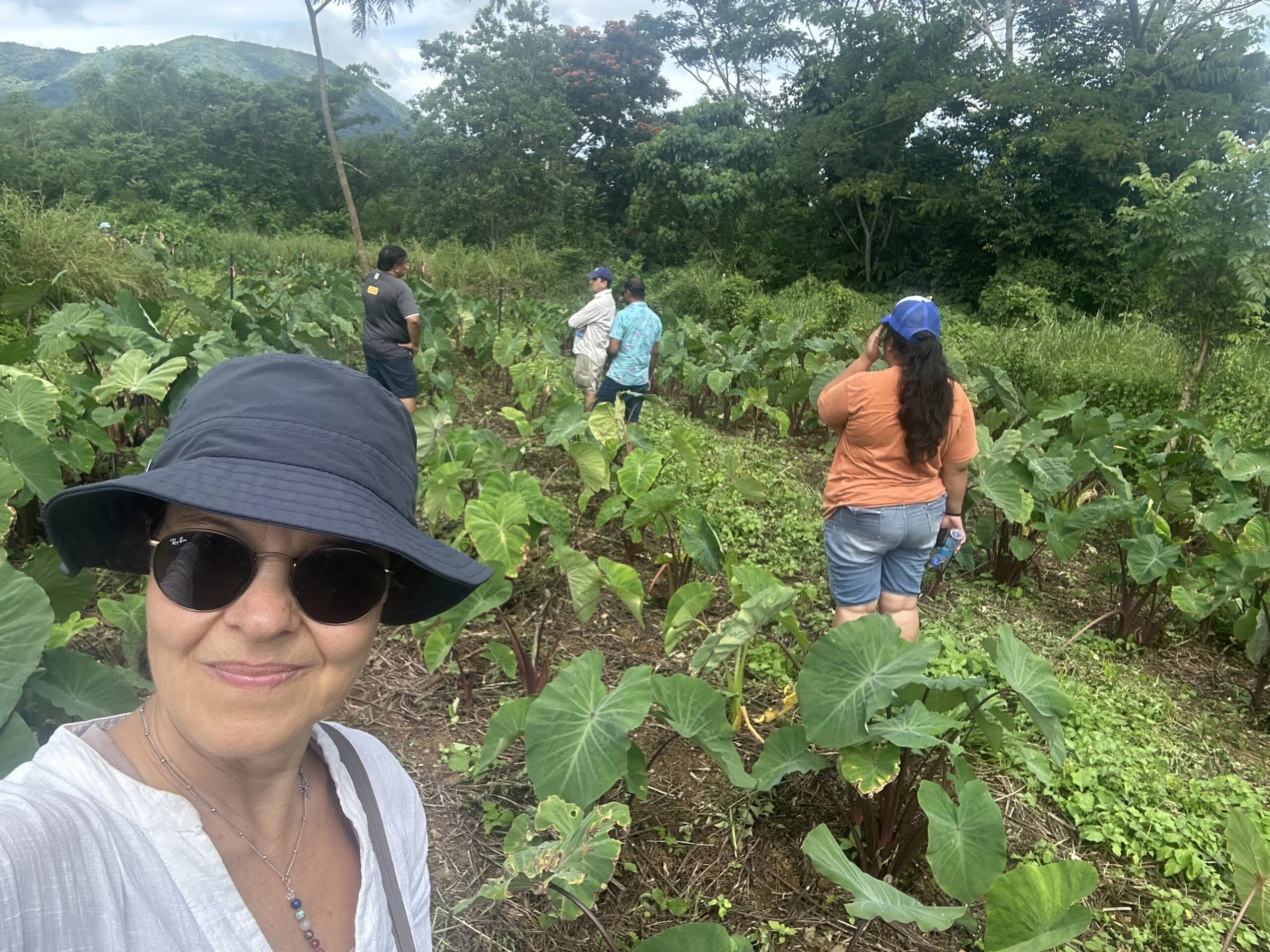
The workshops were followed by two days of farm visits and field days to inspect joint DFAT and ACIAR projects farm trials of selected climate-smart agriculture (CSA) practices that underpin the biophysical and economic modelling case studies. A fifth day was filled with stakeholder engagement meetings in Samoa, and a practice run with survey enumerators in Fiji (for a subsequent large farm data survey as part of Francesco’s postdoctoral project).
“There is an urgent need for transformational change in vulnerable agrifood systems in the South Pacific to improve soil, income, and food/nutrition security. Climate-smart agriculture (CSA) is promoted through RD&E initiatives to boost sustainable diversification and climate resilience of smallholder farms. However, assessing CSA’s impacts is challenging in complex agrifood systems,” said Dr Monjardino, Senior Agrifood Systems Economist at CSIRO.
“Integrated systems analysis can evaluate the relative impact of CSA over time by combining farm economics, climate risk, and adoption outcomes,” she said.
Workshop participants in both countries gained valuable insights from focus group discussions aimed at exploring socioeconomic factors influencing the adoption of CSA practices, such as crop diversification, to improve taro-based systems. Participants were further introduced to a range of concepts and tools integrated in the Value-Ag modelling framework required to better understand the economics of farming systems and evaluate resource trade-offs.
According to Marta, both workshops were very positively received, with participants welcoming the opportunity to systematically assess the net value of agricultural innovations that could be adopted to improve soil health, farm income, and food and nutrition security.
“The Value-Ag process helps to build analytical capability, improve decision-making, and provide stakeholders with clearer benchmarks and performance metrics to prioritise RD&E strategies. The workshop experience and feedback are being used to guide the development of future courses and project opportunities in the South Pacific context,” she said.
“The training was successful in introducing Samoan and Fijian workshop participants to a range of concepts and tools that can be used to predict the adoption and assess the value of agricultural innovations such as crop diversification within context-specific farming systems,” she explained.
The Smallholder-ADOPT tool was used in structured group discussions through consensus to predict the adoption of a selected CSA practice being trialled by ACIAR/DFAT projects in each country. In both cases the target population was semi-commercial taro farmers, and for both case studies the group simulated whole-farm net profit over 10 years for a semi-commercial taro-based farming system ̶ with and without the target innovation.
The Value-Ag framework was employed to generate farm reports for the individual innovations and regional reports ranking each innovation across projected climate scenarios.
“The evaluation of agricultural innovations adds value to field experimentation and demonstration conducted through ACIAR and DFAT-funded, CSIRO-led projects. Using new evidence base and stronger performance measures helps define rigorous benchmarks, target extension messages, prioritise research strategies, and inform policy,” said Marta.
“Further, the opportunity for research and extension staff to work alongside (Samoan) farmers in an ADOPT/Value-Ag workshop setting allowed valuable insights into farmer decision making and attitudes to risk, input and enterprise trade-offs, and identified drivers and constraints to adoption of selected innovations,” she said.
According to Marta, the direct engagement of key stakeholders in focus group discussions, case-study modelling, and farm visits in both Samoa and Fiji has helped to:
- identify gaps in current R&D strategies to improve agrifood system resilience;
- identify priority areas for capacity building in collaboration with Australian researchers;
- promote sustainable soil and crop management systems for healthy diets; and
- identify project concepts aimed at addressing these gaps and opportunities.
“There is a clear opportunity for Australian R&D organisations, such as CSIRO and universities, to continue to play a leading role in the design and evaluation of farming systems that can be implemented to respond to climate change, mitigate environmental impacts, and enhance rural livelihoods. Already significant exchanges of ideas and resources between the CSIRO trainers, ACIAR/DFAT-funded project staff, and local research staff are underway,” she said.
“Ultimately, the outcomes of these workshops and associated collaborations strongly align with Australia’s commitment to global food security and regional stability. Engaging directly with key stakeholders in the agriculture sector provides invaluable opportunities to broaden networks and foster collaborations,” said Marta.
“These outcomes will be further consolidated by strong collaboration links with new projects, including farm household surveys with the aim of identifying farm typologies and exploring broader socioeconomic outcomes across Samoa, Fiji, and other Pacific nations and understanding the challenges and opportunities around improving the mechanisation potential of taro-based systems in Fiji,” she concluded.