

Leveraging local food procurement to support healthy and sustainable school feeding program in Kenya
November 20, 2025
The Crawford Fund’s highly sought after Student Awards are one way we support and encourage the next generation of Australians into study, careers and volunteering in international agricultural research.
The awards are funded by our State and Territory Committees and made possible by organisations including ACIAR, international centres, Australian and overseas universities and NGOs who host our awardees.
Eighteen talented university students from around Australia were awarded our 2024 Student Awards. As part of this cohort, we would like to share the experience of Nicodemus Masila from the University of Tasmania who travelled to Kenya to undertake research into leveraging sustainable local food procurement to support healthy school meal provision among the urban poor. He then compared it to an initiative in Tasmania.
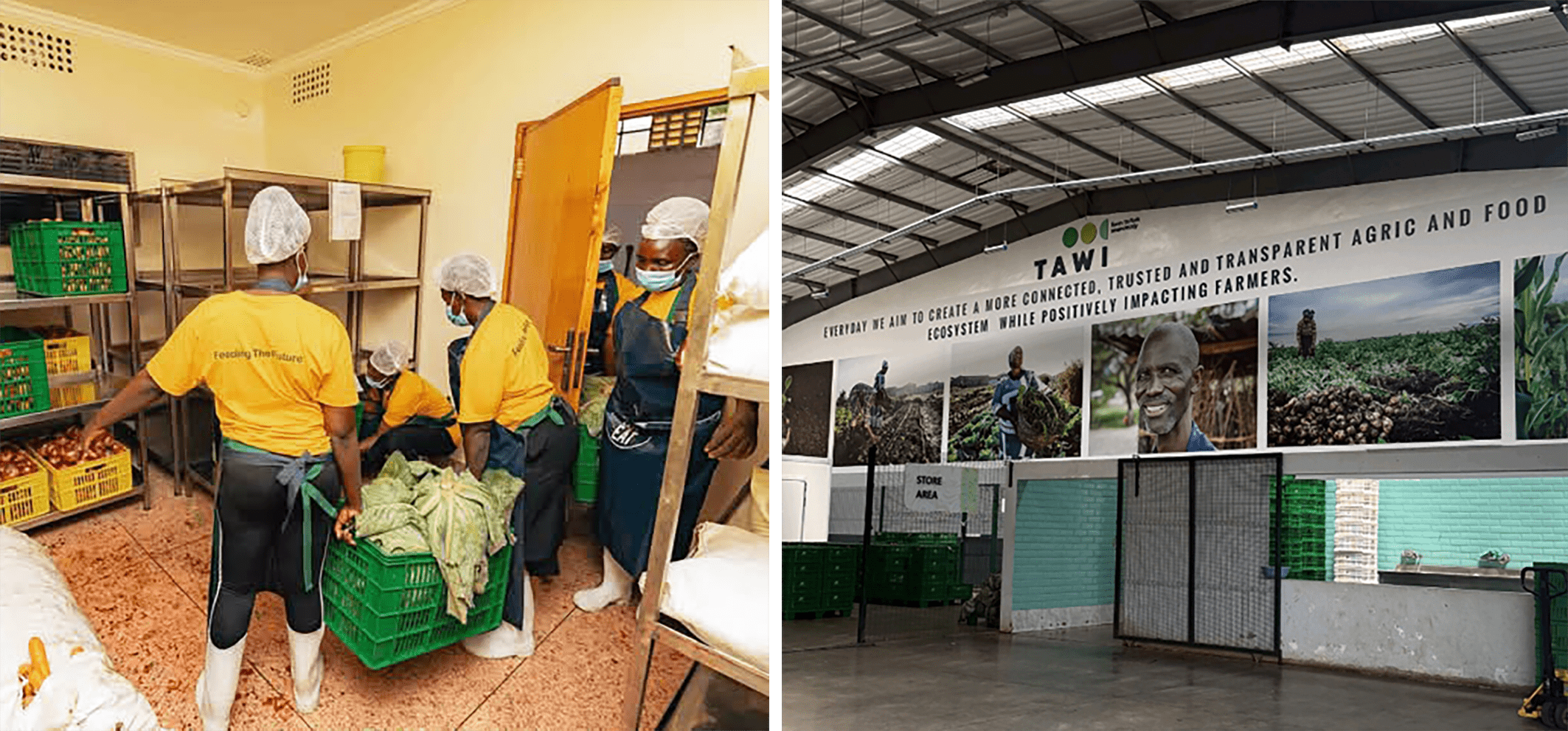
“School feeding programs have played a crucial role in improving educational outcomes and food security in Kenya. Historically, these initiatives were predominantly donor-funded, with organisations such as the World Food Programme leading efforts to provide nutritious meals for children in public primary schools. The primary goal was to incentivise school attendance, combat malnutrition, and support the cognitive development of children in vulnerable communities. Over the years, Kenya has transitioned toward government-led interventions, integrating localised procurement strategies to enhance program sustainability,” said Nicodemus.
For background, Food for Education (F4E) has been identified as a successful case study, showcasing the scalability and efficiency of public-private school meal programs having a great impact on nutrition, health, and building agricultural economies. By leveraging technology, infrastructure, local food procurement and farmer partnerships, F4E has demonstrated sustainable and impactful school meal solutions. Founded in 2012, F4E has scaled its operations, now serving over 530,000 children daily. The organisation has recently been invited by the Council of Governors to support the development of a model school feeding policy for all the 47 counties in Kenya.
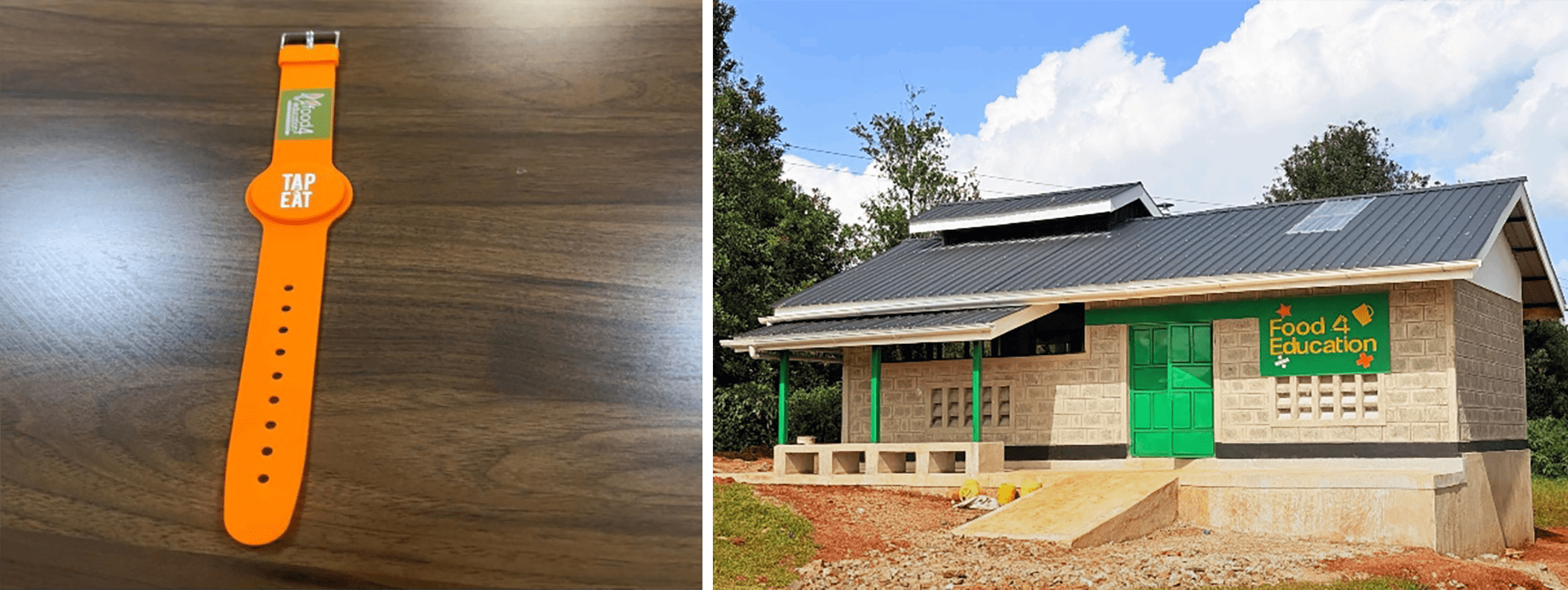
According to Nicodemus, Food for Education (F4E) has developed a hub-and-spoke model that ensures efficiency in meal preparation and distribution. It has:
- centralised kitchens which serve as production hubs, where meals are prepared using cost-effective, high-yield cooking techniques before being distributed to schools through a streamlined logistics network.
- introduced a key innovation – the Tap2Eat system, a technology-driven meal payment solution that allows parents to contribute to their children’s meals via mobile money – thus reducing administrative burdens and ensuring seamless meal distribution.
- actively supported local agricultural economies by sourcing ingredients from smallholder farmers, strengthening food security and promoting sustainable procurement.
- collaborative arrangements with nutritionists and food safety specialists to ensure that meals meet high nutritional standards, addressing micronutrient deficiencies and improving overall child health.
- integrated energy-saving cooking technology, reducing reliance on biomass fuels while enhancing kitchen efficiency.
- automated inventory management within its 3,500 sqm facility in Ruiru, streamlining procurement and storage operations. Digital tracking systems facilitate seamless coordination between suppliers and distribution hubs, ensuring the timely delivery of ingredients while maintaining strict food safety compliance.
- remote monitoring systems that provide insights into cooking processes, distribution efficiency, and energy consumption, allowing for continuous performance evaluations, helping the organisation refine its methodologies and scale its impact sustainably.
F4E has gained global recognition and received prestigious awards highlighting its impact-driven approach to school feeding.
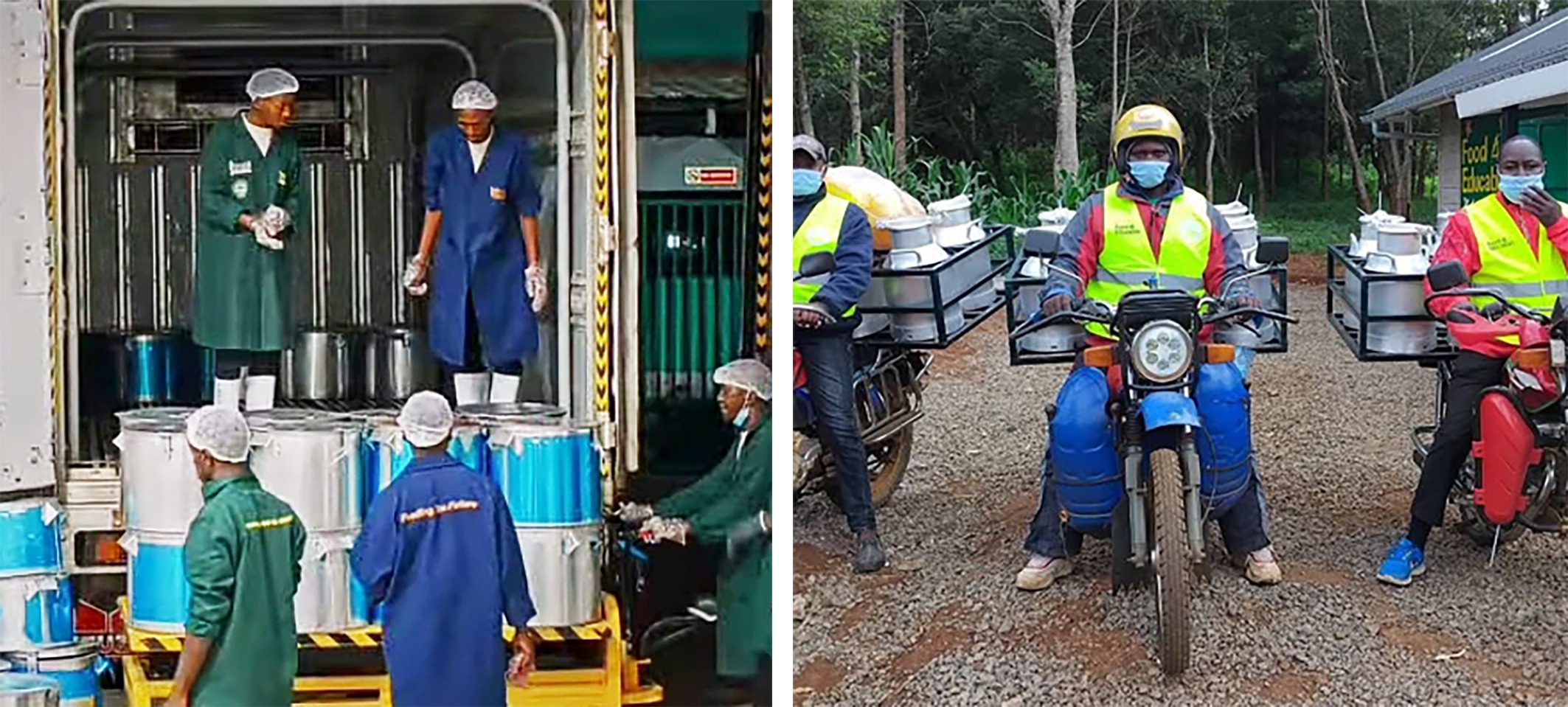
In comparing the F4E school feeding program in Kenya with the Tasmanian School Lunch Project (TSLP), Nicodemus found two innovative approaches to school feeding, each tailored to its unique socio-political and economic context. Both initiatives aim to improve child nutrition, educational outcomes, and community engagement, yet they differ significantly in structure, funding, and implementation.
Specifically he found:
- F4E focuses on providing affordable, nutritious meals to public primary school children, particularly in urban and peri-urban areas, using a mix of centralised and decentralised kitchens. Meals are subsidised, and parents contribute via mobile payments linked to Tap2Eat wristbands, typically paying Ksh 5–30 (US$0.3) per meal. The program is supported by county and national governments, as well as donors. In contrast, the TSLP is a state-funded initiative targeting schools in socioeconomically disadvantaged areas across Tasmania. It provides free or subsidised cooked lunches one to four days per week, with schools choosing between centralised delivery or on-site preparation using dietitian-designed menus. While the program is state government funded, parents are encouraged to make voluntary donations (typically around AUD $3 per meal), and the program provides free nutritious cooked meals in students in 60 Tasmanian government schools.
- Food standards in both programs emphasise nutritional adequacy. F4E meals prioritise high protein-to-carbohydrate ratios and seasonal vegetables, while TSLP menus align with the Australian Dietary Guidelines. Food safety is managed through verification and policy-driven hygiene protocols. Allergy management is more explicitly addressed in Tasmania, as prevalence of food allergy in school aged children in Australia is among the highest in the world.
- Delivery models also differ. F4E uses sealed containers and food trucks for centralised kitchens, while decentralised kitchens prepare meals on-site in schools. TSLP schools either receive pre-cooked meals or prepare them internally, with some integrating hospitality training and food education into the process.
- Student acceptance is high in both programs. Kenyan students show improved attendance and academic performance, while Tasmanian students report enjoying meals and social dining experiences. However, in Tasmania, some parents still provide a lunchbox from home for their children, indicating room for increased trust and customisation.
- In terms of cost, F4E meals average around USD $0.30, benefiting from economies of scale and tech-enabled tracking. TSLP meals cost approximately AUD $6.50, with preparation costs decreasing as more schools join the program.
“In summary, while both programs share goals of enhancing child nutrition and educational outcomes, they diverge in funding structures, operational models, and policy frameworks. F4E exemplifies a scalable, tech-driven school food program model in a developing context, whereas TSLP reflects a government-led, community-integrated approach in school feeding in a high-income setting,” he said.
“This report highlights sustainable food procurement models emphasising how local sourcing, government-private partnerships, and technology-driven solutions improve school meal systems. Cross-learning between Kenya and Tasmania can drive policy refinement. School meal program innovations such as supply chains that enhance education and health outcomes,” he concluded.