

Disease ecology training for livestock veterinarians in Himachal Pradesh, India
December 15, 2025
The CFFS’s Victoria Committee recently supported Dr Janine Muller and Dr Kate Rowe from Agriculture Victoria to travel to the Himachal Pradesh Agricultural University Department of Veterinary Microbiology in Palampur in India to deliver two full-day workshops on the rapid diagnostic technology – Loop-mediated Isothermal Amplification (LAMP), conduct diagnostic assay validation, and strengthen collaborative links with local veterinary and academic partners.
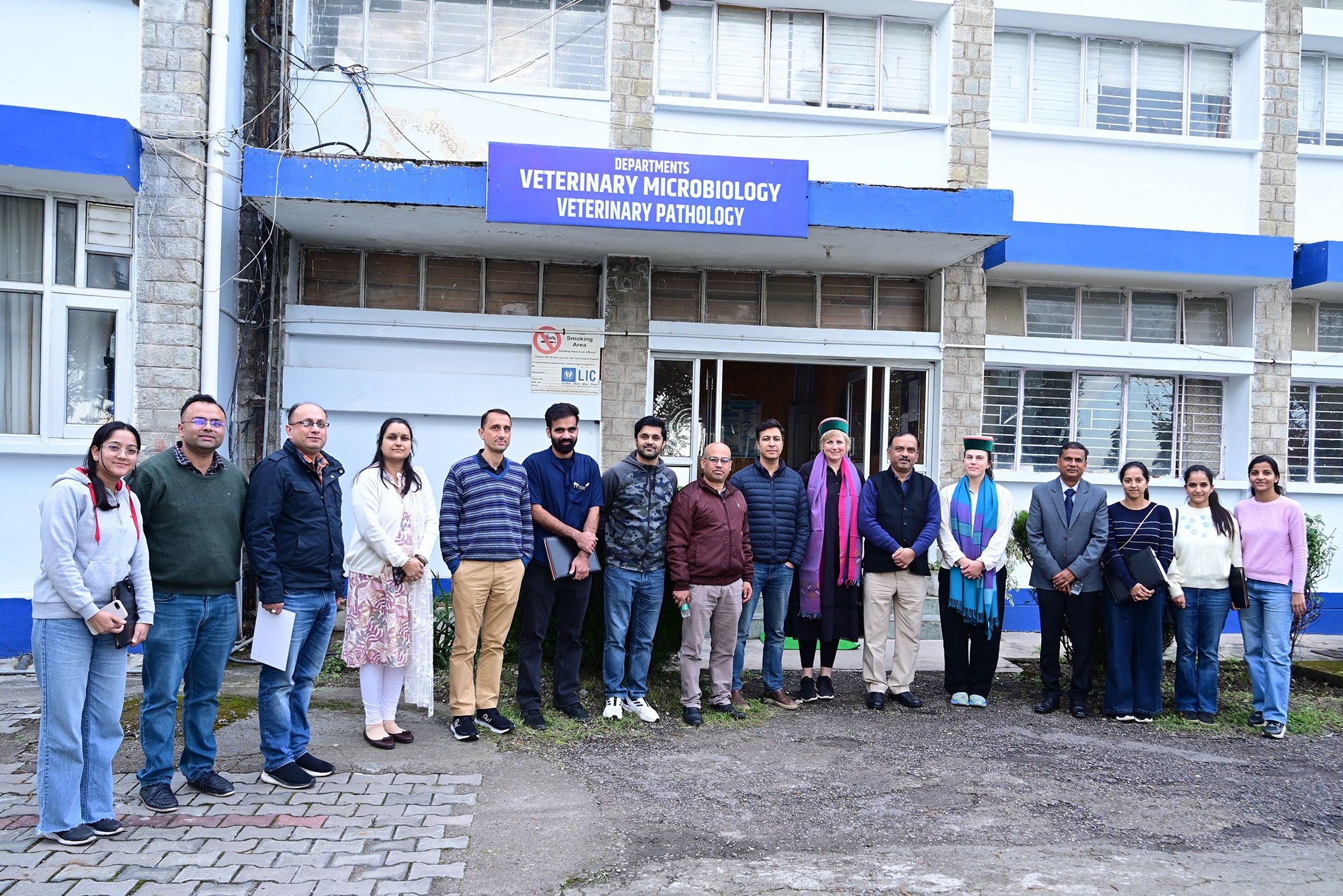
The workshops brought together a broader team from Agriculture Victoria via online engagement, alongside field veterinarians, students and professors, providing a clear introduction to LAMP principles, sample handling, and result interpretation, supported by practical demonstrations.
“These sessions enhanced understanding of the application of LAMP technology for priority diseases such as Foot and Mouth Disease (FMD) and also offered valuable learning for the Australian team through discussions on disease presentation sample suitability and diagnostic challenges for pathogens exotic to Australia,” according to workshop convenor Dr Janine Muller, Senior Research Scientist, Leader Veterinary Bacteriology from Agriculture Victoria.
“Discussions also explored alternative LAMP formats including colorimetric and heat-block approaches, recognising the limited availability of LAMP machines across the Indian veterinary network and identifying practical pathways to expand the diagnostic accessibility of LAMP in resource-limited settings,” she said.
“The validation work provided a valuable opportunity to access curated positive samples not available in Australia, enabling meaningful evaluation of Lumpy Skin Disease and Peste de Petits Ruminants (PPR) assays and directly contributing to Australia’s preparedness planning. Results have been shared with Indian collaborators and will inform future joint studies,” said Janine.
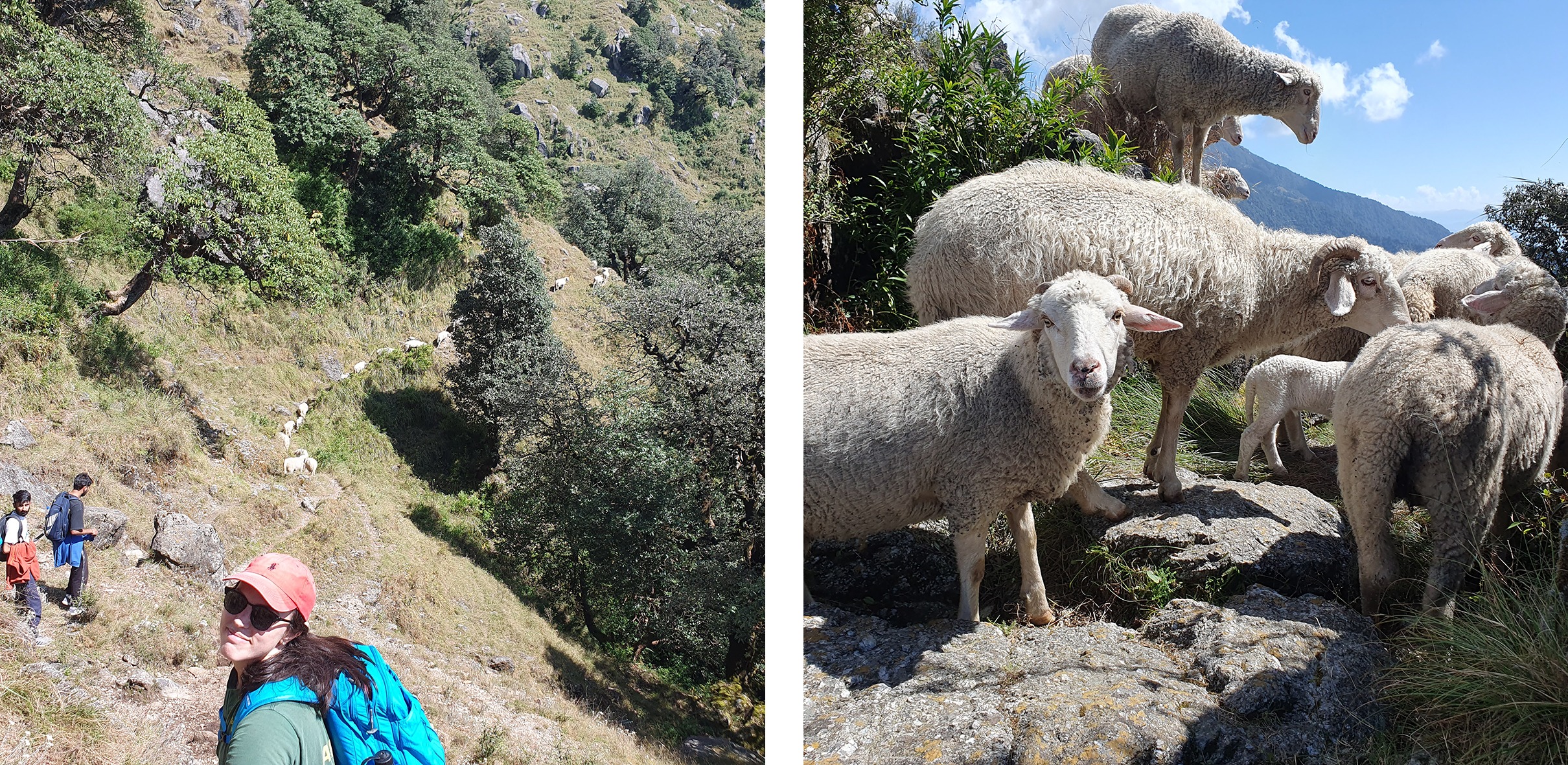
Field activities added crucial context. Dr Kate Rowe and Dr Janine Muller trekked with two veterinary Masters students into the Himalayan mountains which provided first hand insight into migratory sheep and goat herds and the realities of surveillance treatment and sample collection in remote terrain. According to Janine, these observations highlighted biosecurity risks associated with transhumant systems and the complexity of the remote terrain, providing valuable parallels for Australia’s northern regions which face similarly remote and difficult terrain but also represent high-risk entry points for exotic diseases such as PPR, LSD and FMD.
“Throughout the visit collaborative relationships were strengthened. The Vice Chancellor and senior leadership expressed appreciation for the knowledge exchange, technical support and commitment demonstrated, and they emphasised a strong desire to continue building joint research programs,” said Janine.
“The provision of a LAMP machine to the local veterinary team will provide further support, ongoing diagnostic developments, and help to sustain long term collaborative activities,” she said.
“Overall the workshops, validation activities, and field engagement strengthened diagnostic capability, enhanced preparedness efforts and laid a robust foundation for future research training and capacity building partnerships between Australia and India,” she concluded.