

Food security, wealth, and responsibility in the developed world
April 28, 2026
By Shaun Coffey FTSE FAIA CRSNZ FAICD
In one of the sharper exchanges in The West Wing, President Josiah Bartlet reminds his staff that there are people in the world living on a dollar a day, while wealthy nations debate whether to reduce foreign aid. The question he leaves hanging is simple. What does that say about us?
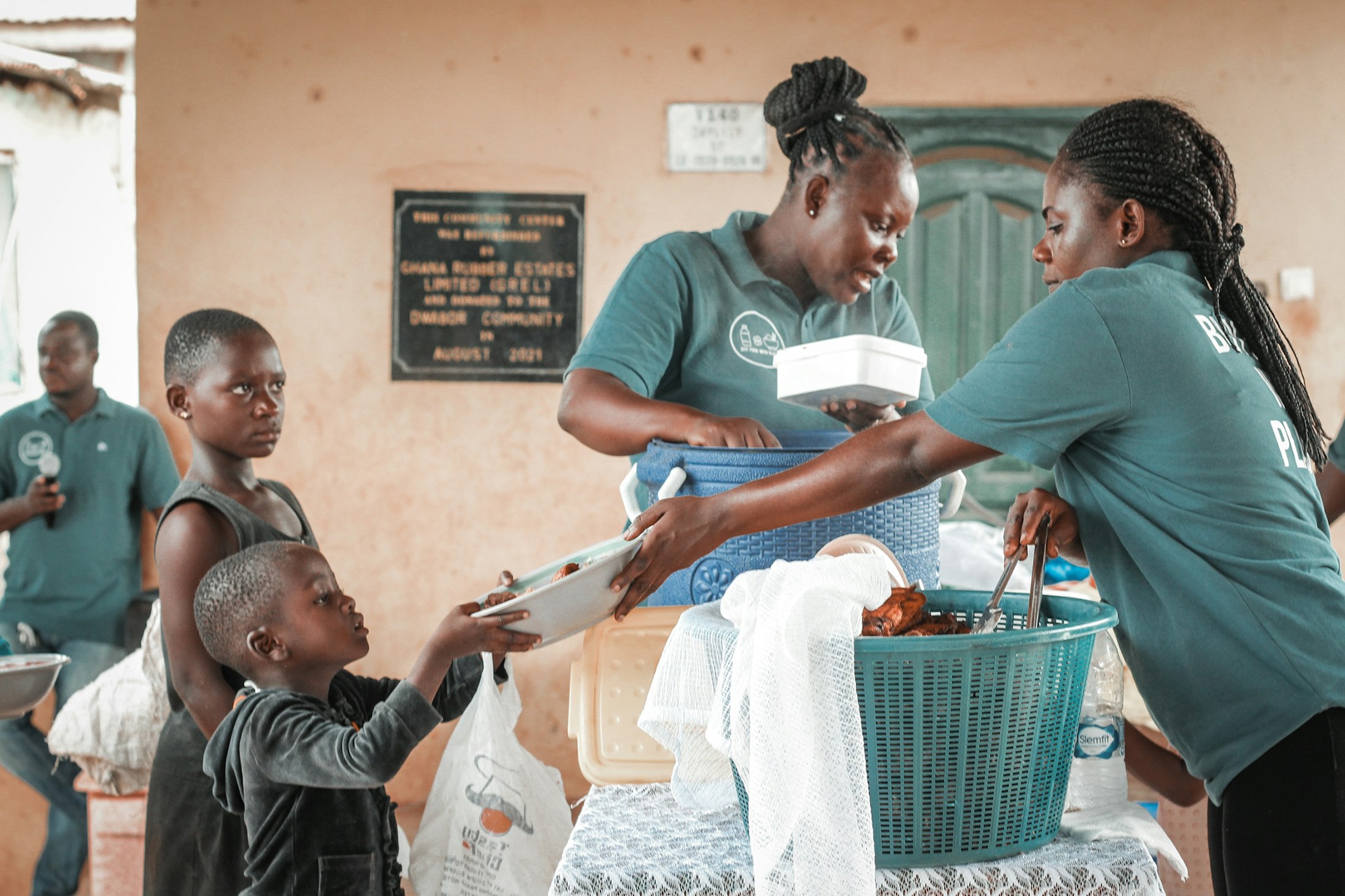
It is a question that extends beyond a single country to the developed world as a whole. and it remains timeless. Today, when global wealth has reached unprecedented levels, extreme poverty and food insecurity still persist at scale. The contrast is not subtle, it is structural, and it reflects how priorities are set, how systems are designed, and how responsibility is understood.
This essay argues that food security is not a marginal development issue. It is a central test of how the developed world aligns its resources, values, and long-term interests.
The Scale of the Contrast
We cannot challenge the defining feature of the current global system: imbalance. Wealth, technology, and capability are concentrated in a relatively small number of countries. At the same time, large populations continue to face chronic food insecurity, low agricultural productivity, and vulnerability to shocks.
- Significant portions of the global population still live on very low incomes
- Many smallholder farmers operate daily (not just in a crisis) with limited access to inputs, markets, and knowledge
- Climate variability is increasing pressure on already fragile systems
- Supply chain disruptions expose underlying weaknesses
The contrast is often framed, and correctly, in moral terms. But It is also practical: food insecurity doesn’t stop at national borders. It interacts with migration, economic stability, and geopolitical dynamics. The persistence of large-scale vulnerability in one part of the system creates risks for the system as a whole.
Food Security as a Systems Issue
Food security sits at the intersection of multiple systems. It is shaped by agriculture, climate, trade, energy, infrastructure, and governance. Treating it as a narrow sectoral issue limits both understanding and response.
- Agricultural productivity influences income, nutrition, and economic participation
- Food prices affect political stability and social cohesion
- Energy and fertiliser availability shape production capacity
- Trade systems determine access and distribution
Recent concerns about diesel and fertiliser shortages illustrate this interconnection. These are not isolated technical issues. They are components of a broader system that determines whether food can be produced, transported, and accessed. When one part of the system is disrupted, the effects cascade.
For the developed world, this systems perspective is critical as it highlights that investment in food security is not only about supporting others. It is about maintaining the stability of the global system in which all countries operate.
Investment and Underinvestment
There is strong, consistent evidence that investment in agricultural research and development delivers high returns. Improvements in agricultural productivity are closely linked to economic growth in developing economies. Agricultural gains in the developing world translate into broader development outcomes, including poverty reduction and improved health.
- Agricultural R&D produces technologies and practices adapted to local conditions
- Productivity gains increase incomes and reduce vulnerability
- Stronger food systems support broader economic activity
- Returns to investment are often long-term and compounding
Despite this evidence, the share of development assistance directed toward agricultural research has declined across many developed countries, and rapidly so in many recent cases. This trend reflects both a broader shift toward short-term priorities and visible outcomes, and a more self-centred approach emerging in international relations.
The result is a mismatch between what is known and what is done. Investment flows do not fully reflect the importance of globally-linked food systems. The consequences are cumulative. Underinvestment today shapes vulnerability tomorrow.
The Limits of Reactive Policy
Policy attention in the developed world often follows a crisis. The Ukraine war, COVID and the US-Iranian conflict have visibly impacted recent history. Food price spikes, supply chain disruptions, and geopolitical tensions are triggering a renewed focus on food security.
The current focus on supply chain disruptions provides a clear example. Concerns about fuel availability, fertiliser supply, and transport logistics have brought food systems into sharper view. Yet these issues are frequently treated as discrete challenges rather than symptoms of deeper structural vulnerabilities. A consistent pattern emerges in our response to these crises:
- Responses are often short-term and fragmented
- Underlying system weaknesses remain unaddressed
- Investment cycles lack continuity
- Institutional learning is uneven
A more effective approach would recognise that resilience is built over time. It requires sustained investment in research, infrastructure, and institutions. It cannot be assembled quickly in response to a crisis: it requires system redesign
Responsibility and Capability
The developed world possesses significant capability. Advanced scientific systems, strong institutions, and financial resources create both opportunity and responsibility. Responsibility in this context is not solely moral. It is practical and strategic.
- Developed countries benefit from stable global systems
- Trade, security, and economic growth are linked to global conditions
- Instability in one region can have far-reaching effects
- Preventive investment is often more effective than a reactive response
The question raised by Bartlet remains relevant. What does it say about developed countries if they have the capacity to contribute to food security and choose not to do so at scale? Answering this question requires a shift in perspective. Food security must be understood as a shared challenge that requires collective investment.
Partnership and Local Capability
Effective responses to food security challenges are built through partnership, with solutions grounded in local contexts and supported by local institutions. The role of the developed world is not to impose solutions, but to support capability. We can’t sit in our national capitals and direct what is to be done in other countries. We are fortunate to draw on the lessons of a track record of success in international agricultural research.
- Collaborative research generates context/country-specific innovations
- Capacity building strengthens local systems and their ability to engage globally
- Knowledge exchange benefits all partners
- Long-term relationships build trust and effectiveness
Few challenge the understanding that agricultural research for development exemplifies this approach. It connects scientists, institutions, and communities across countries. It focuses on practical problems and delivers tangible outcomes. It also reinforces the principle that development is most effective when it is locally owned.
This model aligns investment with impact. It ensures that resources contribute to sustainable change rather than temporary relief.
Risks to Capability in the Developed World
There is also a need to consider the capability within developed countries themselves. Agricultural science systems face pressures that affect their ability to contribute to global challenges.
- Ageing workforces in key scientific disciplines
- Funding models that prioritise short-term outputs and encourage underinvestment
- Competition for resources across policy areas
- Fragmentation of institutional effort
These trends create risks: they limit developed countries’ ability to sustain their contributions to agricultural innovation and development, both a domestic and international context. Addressing global food security requires maintaining and renewing this capability.
Investment in the next generation of scientists, institutions, and partnerships is essential. Without it, the capacity to respond to future challenges will diminish.
Aligning Values and Investment
A central issue is alignment. The developed world often articulates a commitment to reducing poverty and improving global well-being. The question is whether investment patterns reflect this commitment.
- Do funding allocations match the importance of food systems?
- Are long-term investments prioritised over short-term visibility?
- Is policy designed to address root causes rather than symptoms?
Alignment requires intentional action to set priorities, sustain investment, and build institutions that can deliver over time. It also requires recognising that food security is interconnected with other global challenges, including climate change, health, and economic development.
Conclusion
The contrast highlighted in the fictional The West Wing remains powerful. A world in which extreme poverty persists alongside significant wealth raises fundamental questions about priorities and responsibility.
For the developed world, the most recent impacts of conflict have driven home the message – food security is not a peripheral issue. It is a central component of global stability and shared prosperity. Investment in agricultural research and development offers a practical pathway to address this challenge. It builds capability, strengthens systems, and delivers long-term returns. It cannot be delivered by isolating ourselves behind national borders.
So, why waste a crisis? We are at a time when we can make a clear choice to secure food security by abandoning our reactive, fragmented responses that address symptoms and commit to sustained, strategic investment that addresses causes.
What this says about the developed world will be determined not by what is stated, but by what is done.