

Inclusive community-based fisheries management in Vanuatu
January 14, 2026
The Crawford Fund’s highly sought after Student Awards are one way we support and encourage the next generation of Australians into study, careers and volunteering in international agricultural research.
Our 2026 Student Awards are now open. Don’t miss this opportunity – apply now!
The awards are funded by our State and Territory Committees and made possible by organisations including ACIAR, international centres, Australian and overseas universities and NGOs who host our awardees.
We would like to share the experience of Jenny House from Charles Darwin University who travelled to Vanuatu for research into sharing lessons and knowledge for inclusive community-based fisheries management, part of an ACIAR project “Strengthening and scaling community-based approaches to Pacific coastal fisheries management in support of the New Song – ‘Pathways’”.
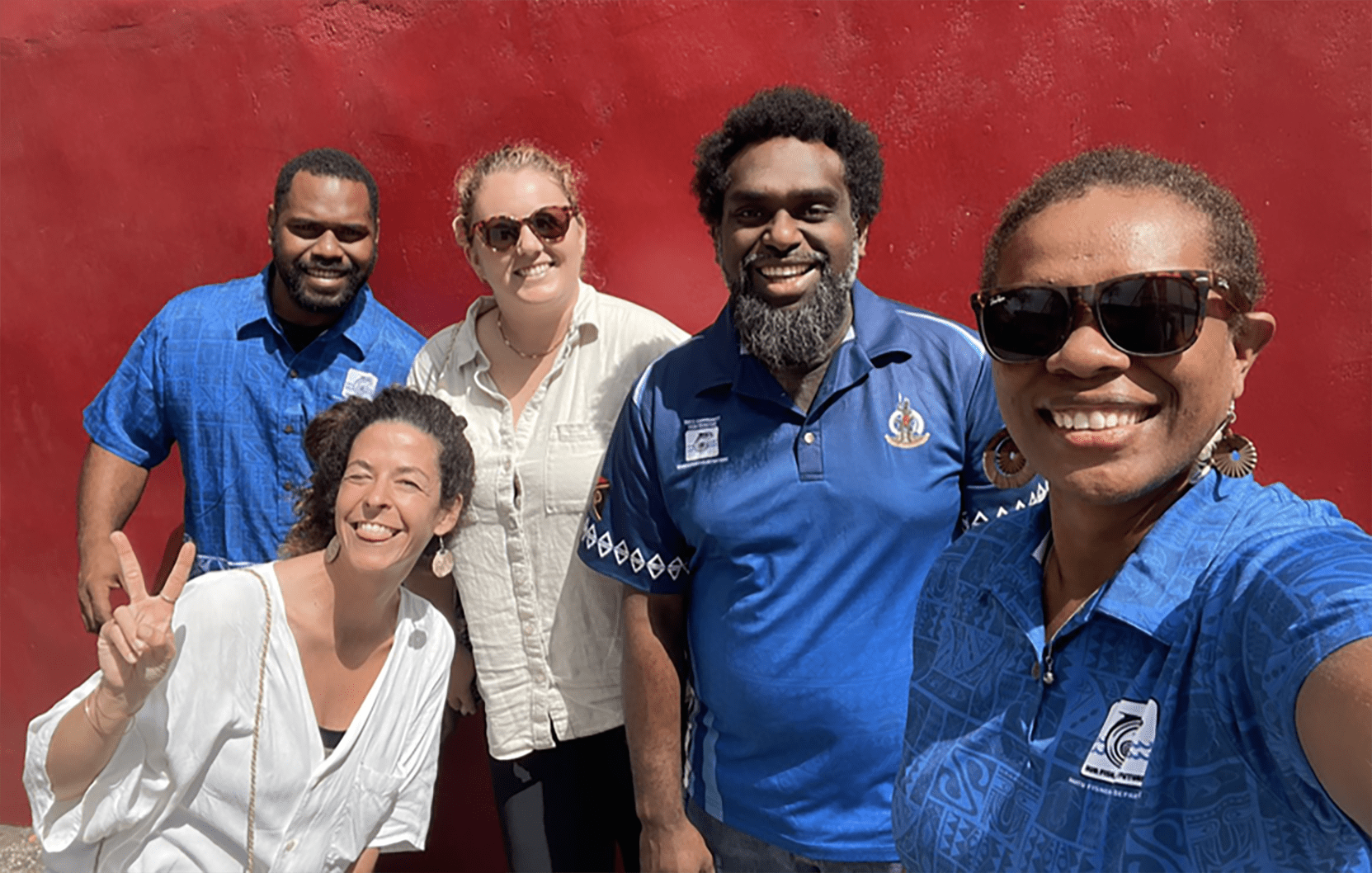
Jenny received her Student Award in 2020, and the activity was originally planned to be carried out with the Pathways project in the Solomon Islands, but it was postponed and relocated due to the COVID pandemic, civil unrest in the Solomon Islands, and her PhD thesis submission. Jenny’s PhD research examined participation in Community-based fisheries management (CBFM) from a gender perspective in the context of Timor-Leste.
Jenny’s Student Award visit to Vanuatu aimed to:
- Observe the host project activities and learn about how their research tools are being implemented in the Pacific, specifically Vanuatu.
- Share lessons learned from Timor-Leste or relevant training with Pathways Vanuatu team members, especially their staff working on gender equality, disability, and social inclusion (GEDSI). This will explore ways people that have been marginalised participate in CBFM and how best practice research is conducted.
Small-scale fisheries are crucial for food security, livelihoods, and human wellbeing in many countries. However, the complex and dynamic nature of these fisheries make them challenging to manage sustainably. Community-based fisheries management (CBFM) is one approach being used to improve management outcomes by increasing the involvement of resource users in fisheries management and it has now been selected as the tool of choice for managing coastal fisheries across the Pacific. Combining custom-based management approaches with scientific fisheries management is one approach to CBFM which has been applied in several countries in the Pacific and SE Asia. However, ensuring that CBFM is equitable and inclusive for all community members can be difficult.
“The visit provided a critical opportunity to explore how the issues I examined during my PhD research apply in a different regional setting. Observing how a more established program approaches CBFM and Gender Equality, Disability, and Social Inclusion (GEDSI) was particularly useful, especially given that CBFM in Timor-Leste is at a relatively early stage. The wealth of knowledge and resources available in the Pacific region proved to be extremely informative and inspiring, particularly because much of this expertise has not yet been adapted for use in Timor-Leste or Australia,” she said.
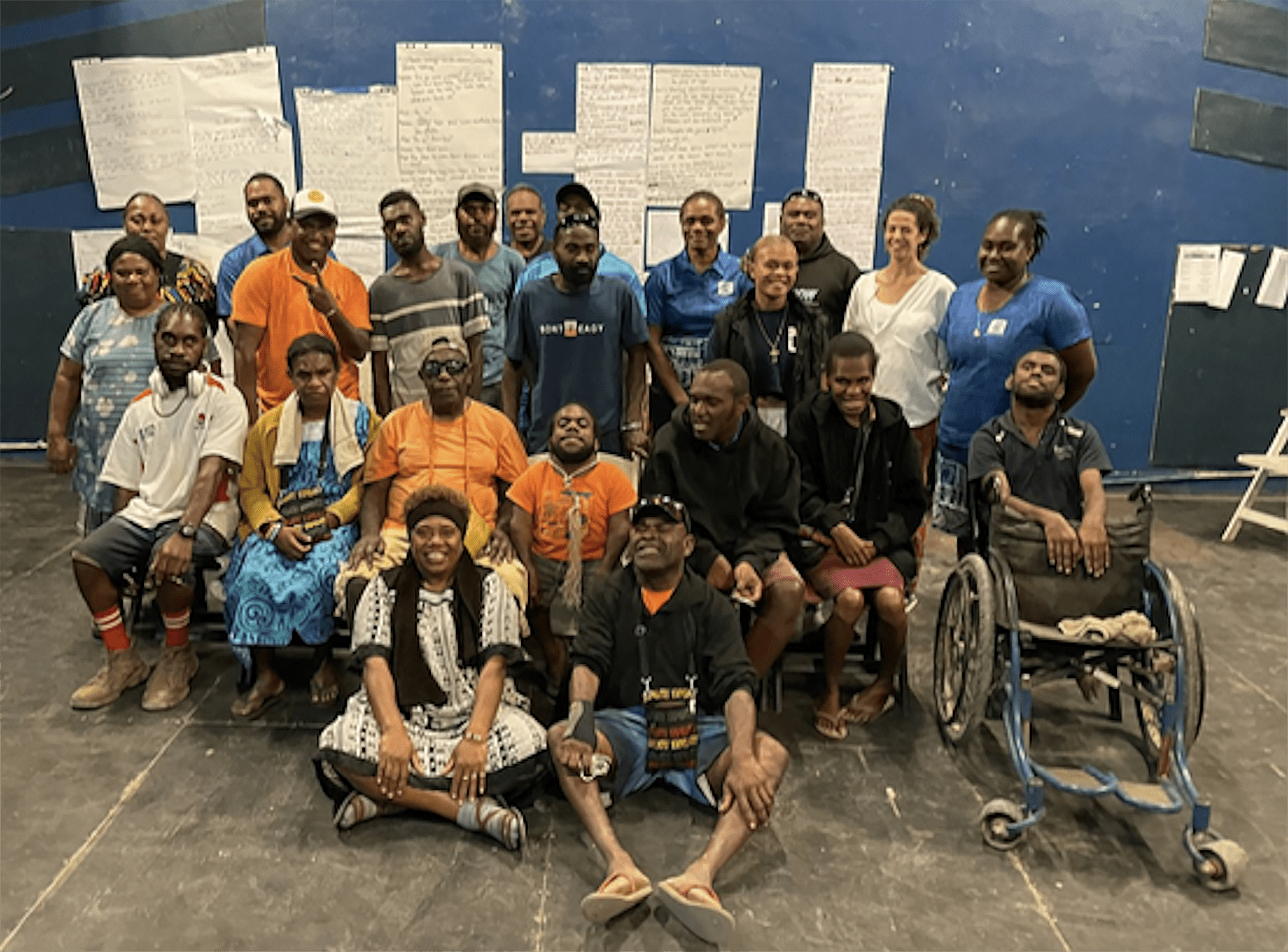
“The visit also enabled a productive exchange of knowledge between the VFD CBFM team and myself. I shared some of my experiences with qualitative data analysis, data literacy, and GEDSI, which they may consider integrating into their own practices. We also held in-depth discussions on GEDSI in the context of CBFM, with a particular focus on the inclusion of women and persons with disabilities. These conversations highlighted how cultural differences influence the practical application of GEDSI approaches and underscored the importance of locally informed adaptation,” said Jenny.
“An important professional development for me from this visit was gaining a deeper understanding of how CBFM is implemented through national government institutions. My prior experience has primarily been from the perspective of international non-governmental organisations, so witnessing the central role of national agencies in this work was an important shift in my perspective,” she said.
Jenny also found that engaging directly with a large international research-for-development initiative such as the ACIAR Pathways project provided valuable insight into the operational structures and strategic design of regional collaboration efforts.
“The visit laid the groundwork for future collaboration through the development of joint research outputs. Several initiatives were suggested or partially developed during the visit, including an information brief on inclusive CBFM communication, an article on disability inclusion in Vanuatu, and a paper currently in development focused on scaling approaches for CBFM. These outputs aim to share lessons learned, promote inclusive practice, and contribute to the broader knowledge base supporting effective CBFM across diverse contexts,” said Jenny.
“This opportunity provided a valuable opportunity to deepen my understanding of inclusive and context-specific approaches to CBFM,” she concluded.
The host organisations for this visit were the Australian National Centre for Ocean Resources and Security (ANCORS), at the University of Wollongong and Vanuatu Fisheries Department (VFD).