

Top end biosecurity researchers expand skills and networks
September 23, 2025
Earlier this year, the Crawford Fund NT Committee announced the recipients of three scholarships to support researchers in the field of biosecurity to generate knowledge and learning through conference attendance and/or international travel.
All three scholarship recipients have attended the conferences they were interested in, and reported on their experience and the value they gained from the professional development and networking opportunities.
Birendra Kunwar, a Masters of Environmental Management student and Plant Pathologist-Plant Biosecurity Researcher at Charles Darwin University and the NT Department of Agriculture and Fisheries attended the Australasian Plant Pathology Society Conference 2025 in Sydney.
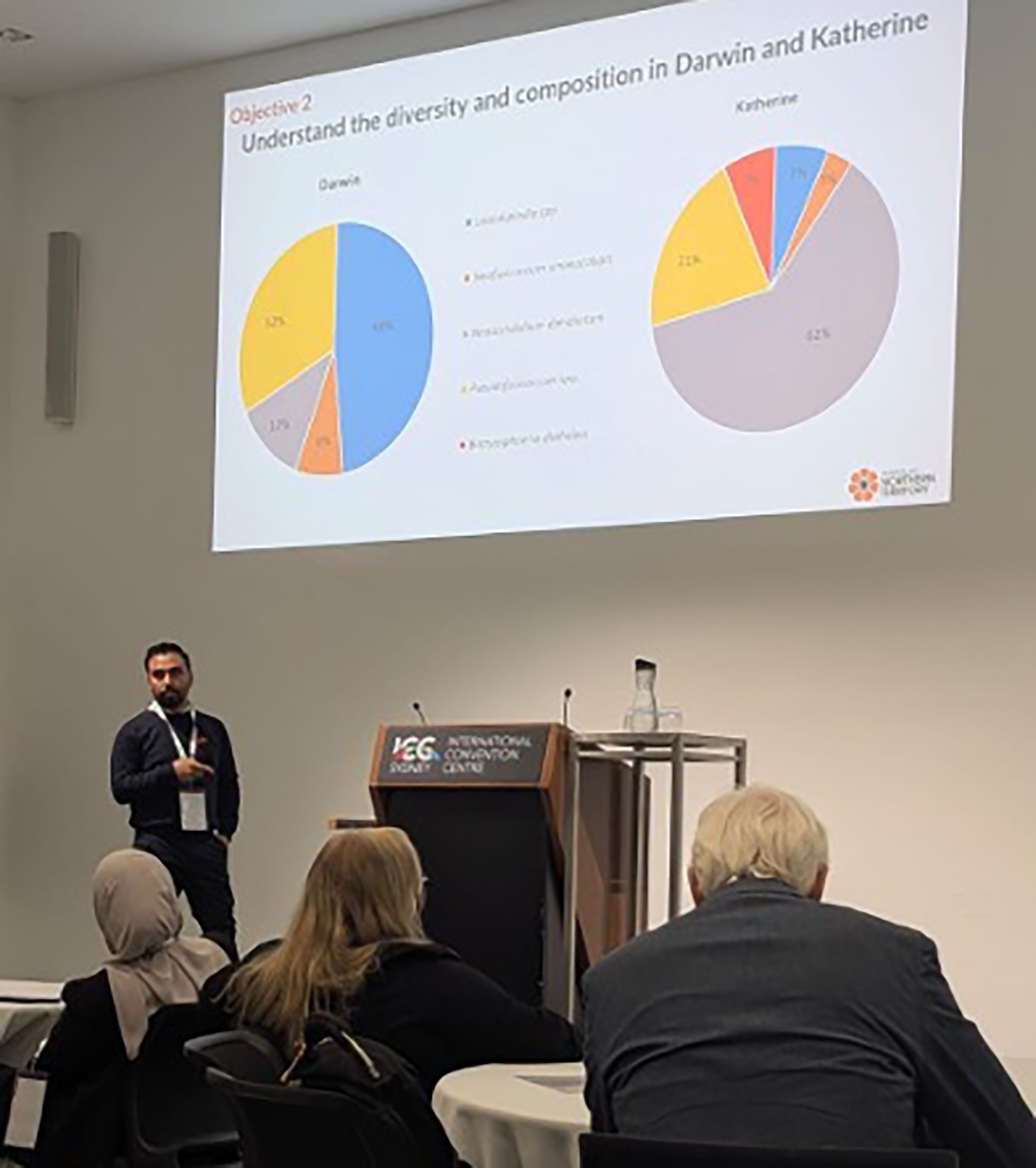
“One of the highlights of the experience was the opportunity to present my research on mango dieback in the Northern Territory – a proud milestone in my professional journey. I also gained significant insights from the diverse range of presentations and poster sessions, which covered topics such as emerging plant diseases, diagnostics, and management strategies,” said Biren.
“The Crawford Fund NT Biosecurity Scholarship was instrumental in enabling me to share my research, strengthen my technical skills, and build meaningful professional connections. Presenting at a major international conference and participating in diagnostic workshops significantly enhanced my visibility within the scientific community and contributed to my development as a plant health researcher,” he said.
“This experience also opened opportunities for future collaboration with researchers in tropical fruit pathology, fungal systematics, and molecular diagnostics, while deepening my knowledge in plant biosecurity,” he concluded.
Naghmeh Nejat, a plant pathologist and molecular biologist at the NT Department of Agriculture and Fisheries also attended the Australasian Plant Pathology Society Conference 2025.
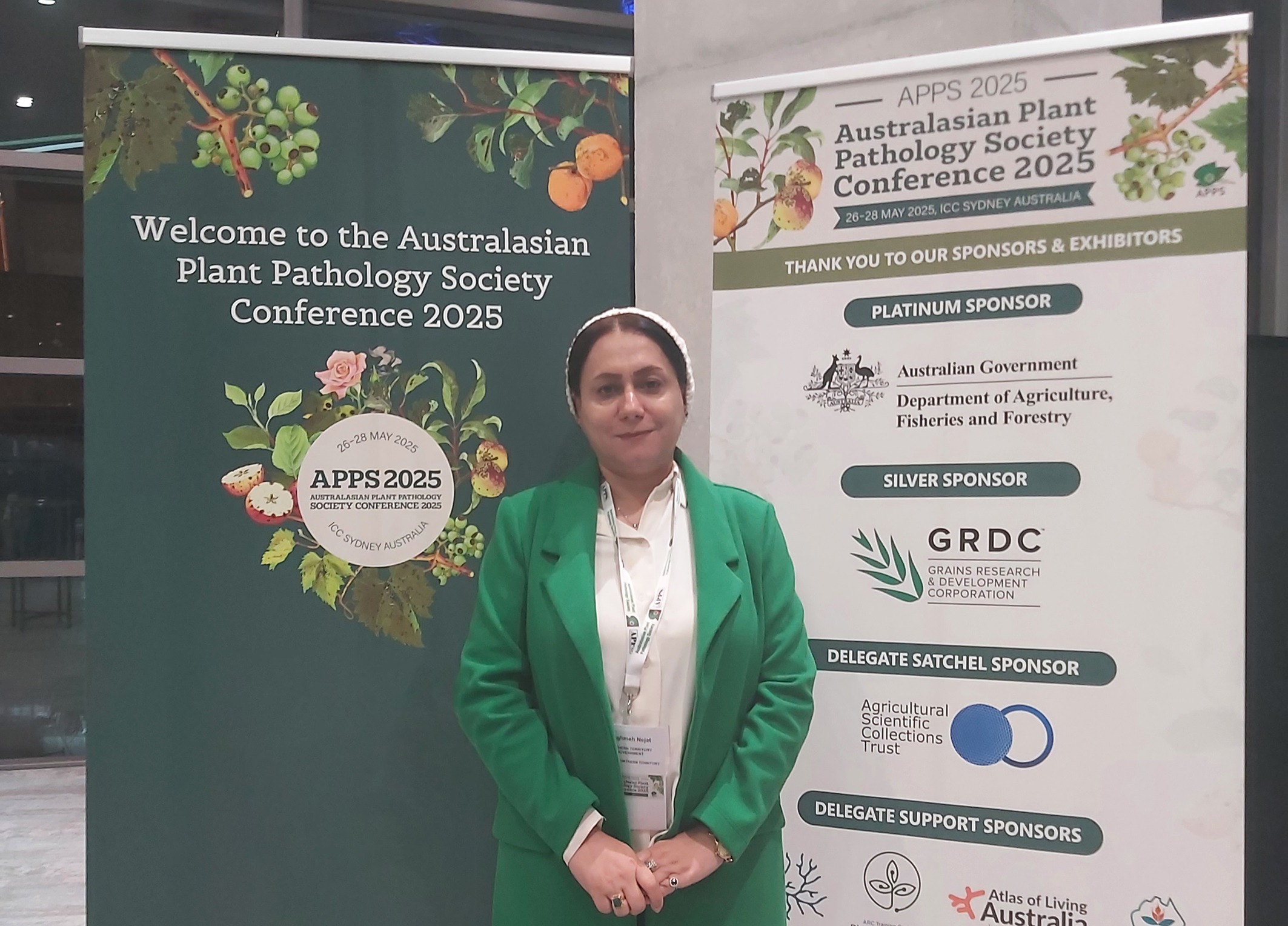
Naghmeh’s research is focused on Mango Twig Tip Dieback (MTTD), an emerging disorder posing a significant threat to the mango industry in the Northern Territory, which accounts for over half of national mango production. Given the economic and biosecurity importance of the mango sector, identifying the causal agents and understanding the disease’s progression has been a critical priority.
“By attending the 2025 Australasian Plant Pathology Conference and associated field activities, I gained exposure to the vital role of biological collections in plant health research, diagnostics and surveillance,” said Naghmeh.
“The experience significantly advanced my professional development by providing access to innovative research, technical workshops, and direct engagement with scientists, policymakers, and biosecurity stakeholders,” she said.
“The principles and methodologies applied, particularly the integration of surveillance, diagnostics, and environmental data, are broadly relevant and can inform future plant biosecurity efforts across sectors,” she said.
“Attending the conference allowed me to build professional connections, learn from world-class researchers, and return with relevant knowledge that can benefit Australian plant health and biosecurity efforts — particularly in the Northern Territory,” she concluded.
Allyson Malpartida, a PhD student and population genomics research assistant at Charles Darwin University attended the Genetics Society of AustralAsia (GSA) Conference in New Zealand.
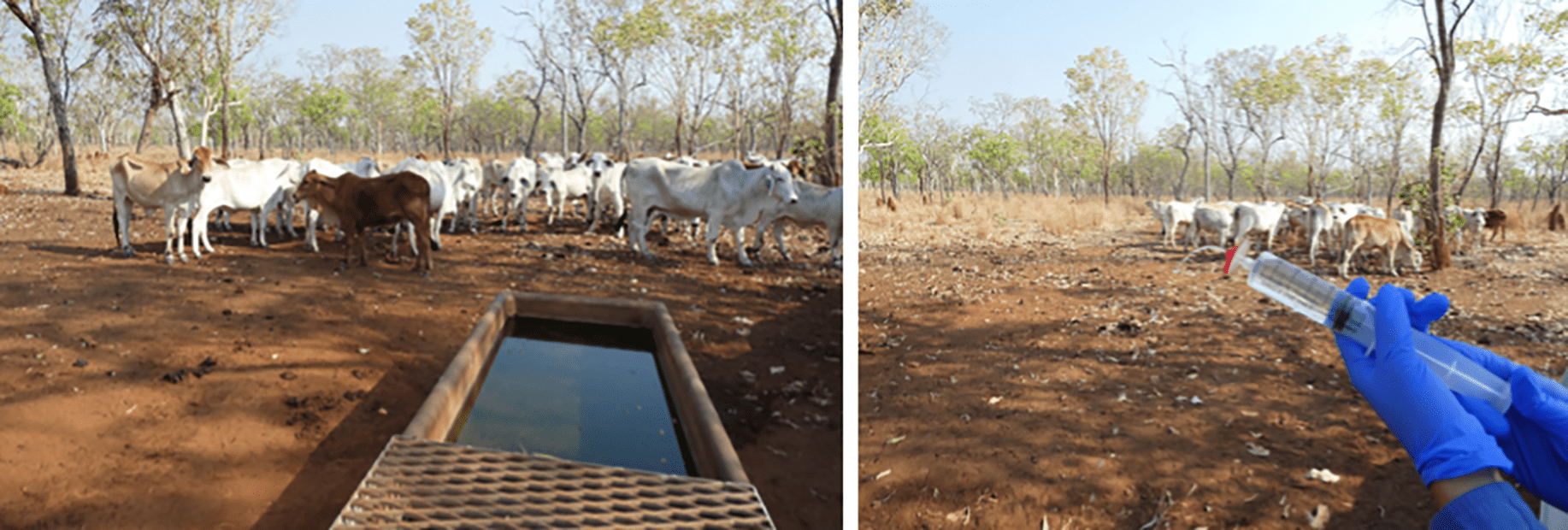
“This conference brought together leading researchers in genetics, genomics, and bioinformatics across Australasia. I presented a talk titled “Development of eNA sampling methods for pathogens in on-farm water sources” which highlighted my biosecurity research focused on improving pathogen detection in agricultural water systems using environmental nucleic acids (eNA),” she said.
According to Allyson, attending the event provided exposure to cutting-edge research on environmental DNA (eDNA), environmental RNA (eRNA), pathogen surveillance, environmental genomics, and biosecurity applications.
“The opportunity to network with leading researchers has enhanced my professional development and created potential collaborations to support biosecurity initiatives in Northern Australia. This experience directly contributes to advancing my research knowledge and applying that to biosecurity research in the NT,” she concluded.
“These scholarships are a wonderful way to build biosecurity capacity and capability in the NT and help boost the biosecurity careers of the successful applicants,” said Em Prof Helen Garnett, Chair of the Crawford Fund’s NT Committee, when she announced these scholarships earlier this year.
These scholarships are generously supported by the Northern Territory Government.