

Transforming smallholder food systems in the Eastern Gangetic Plain
December 5, 2025
The Crawford Fund’s highly sought after Student Awards are one way we support and encourage the next generation of Australians into study, careers and volunteering in international agricultural research.
Our 2026 Student Awards are now open. Don’t miss this opportunity – apply now!
The awards are funded by our State and Territory Committees and made possible by organisations including ACIAR, international centres, Australian and overseas universities and NGOs who host our awardees.
Eighteen talented university students from around Australia were awarded our 2024 Student Awards. As part of this cohort, we would like to share the experience of Ranjita Sapkota from the University of South Australia who travelled to Nepal and India to undertake research into transforming smallholder food systems in the Eastern Gangetic Plain.
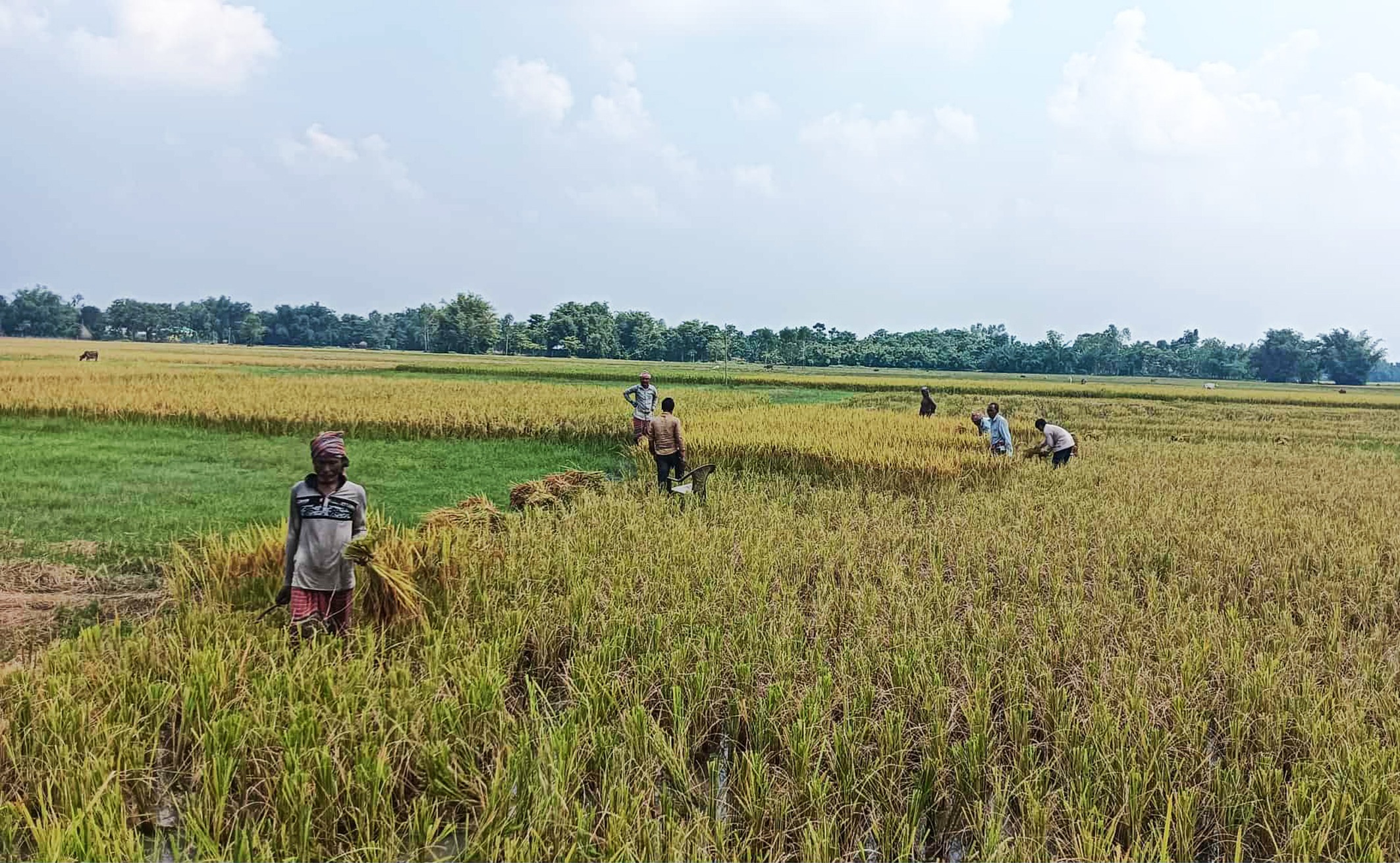
Ranjita’s field trip was conducted from 21 May to 7 July when she travelled to the Eastern Gangetic Plains of South Asia particularly (Nepal and India). The study was made possible through funding support from the Crawford Fund for Food Security’s SA Committee and the host project – Rupantar (WAC/2020/148), funded by ACIAR and implemented by the University of Adelaide in collaboration with local partner organisations in Nepal, India and Bangladesh under the leadership of Dr Tamara Jackson.
Over the past few decades, various technologies, new forms of knowledges, and agricultural practices have been introduced at global as well as local levels with an aim to transform the global agriculture and food systems. Nevertheless, the challenges faced by the stakeholders of food systems have continued to increase rather than decline, raising concerns about the effectiveness of such initiatives, Ranjita explained as background to the project.
To overcome such complex challenge and to create healthy, fair, and equitable food systems, there has been a global call to action. To transform the global food systems, The United Nations Food Systems Summit 2021 has highlighted the urgent need for food system stakeholders to work collectively through sharing knowledge and resources among each other and consider food as a public good instead of normal commodity.
“My case study of smallholder agri-food systems transformation within Eastern Gangetic plains of South Asia was selected because smallholder farms with less than two hectares of land contribute around one-third of the global food supply, while utilising only 24 per cent of the world’s gross agricultural land,” said Ranjita.
“While the majority of South Asian farmers are smallholders, with agriculture serving as their primary source of livelihood for generations, the region is also home to some of the world’s poorest populations and a significant proportion of them reside in and around the Eastern Gangetic Plains that touch across three countries – Nepal, India and Bangladesh, despite the area’s favourable climate for, and availability of, abundant water resources for cultivation,” she added.
Ranjita’s research attempts to identify how knowledge sharing takes place within food systems around the world, what roles the key knowledge intermediaries are playing and what contributions they can make for sustainable food systems transformation through extensive literature review, expert interviews and regional case study.
“Undertaken as a part of my PhD research, the main objective of this field trip was to deepen understanding on how various actors and stakeholders within smallholder food systems engage in knowledge sharing and exchange in Eastern Gangetic plains of South Asia,” she said.
“Through the case study of smallholder food systems, I intend to investigate how knowledge sharing can contribute more effectively towards sustainable transformation of smallholder food systems in the region.”
Ranjita’s trip involved face-to-face informal and formal interactions with researchers, academics, NGOs leaders and government officials. These included interviews, focus groups with smallholder farmers and knowledge extension agents along with site visits to farms, local NGOs, clubs and cooperative groups. This helped to provide firsthand insights into the local and regional level practices and strategies on knowledge sharing for building resilience in context of smallholder food systems in the region.
“The field-based case study provided a valuable platform for understanding the ground realities on production, sharing, transfer and application of new and existing knowledge in the context of smallholder food systems. The insights gained from this field-based case study has provided an opportunity to compare and contrast the findings on preliminary expert interviews with global food system experts based on which the project aims to develop a novel framework for effective knowledge sharing to support the transformation of global food systems in the future,” said Ranjita.
“Key learnings from the study emphasise the importance of context-specific knowledge sharing practices in transforming local and regional agri-food systems. Local actors and farmers play a central role in producing, sharing, and applying both existing and new knowledge for building resilient agri-food systems in context of smallholder food systems,” she said.
“Most importantly, the study finds the critical role of diverse actor groups and the need for their strong collaborative relationship as knowledge brokers and intermediaries in advancing the smallholder food systems transformation process in Eastern Gangetic Plains,” she concluded.