

From Crawford Fund mentorship to food and climate action in Bangkok
November 6, 2026
The Crawford Fund for Food Security ACT Committee recently provided support for Anggun Dwi Puspitoasih, a Masters of Public Policy Candidate at the Australian National University, and 2026 Crawford Fund Scholar, to attend the Bangkok Climate Action Week.
Anggun provided this reflection on the experience.
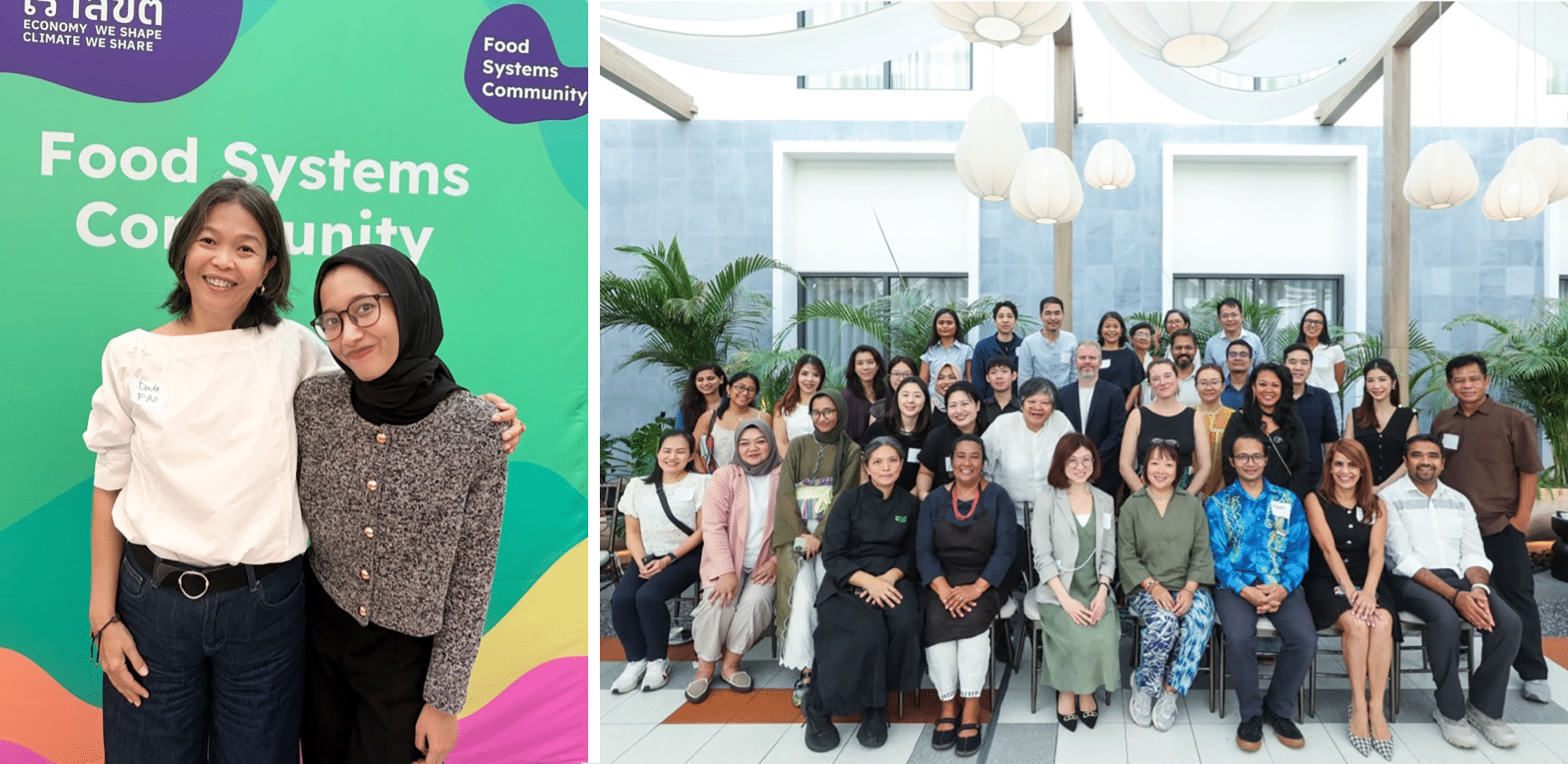
A blog (and images) by Anggun Dwi Puspitoasih
At Bangkok Climate Action Week (BCAW), an annual regional gathering bringing together people from across sectors to advance climate action in Southeast Asia, one conversation particularly stayed with me. It began with something close to home: what we eat, why we choose it, and whether the food we love can also be good for the planet.
As a Master of Public Policy student at the Australian National University and an Indonesian government employee working in rural development, I often encounter discussions about climate change, food security, and development in my studies. Bangkok offered a different learning experience, bringing me into conversations with people who grow, cook, sell, promote, research, and make decisions about food.
This opportunity began at the Crawford Fund’s 2026 Annual Conference in Canberra, where I joined the Scholar Program and was paired with Imelda “Dada” Bacudo as my mentor. Drawing on her extensive experience and network in climate and agricultural policy, Dada generously shared her insights and invited me to become directly involved in her work. I helped organise “What’s on Our Plate? A Conversation on Food, Climate, and What Makes Us Happy” during BCAW, working alongside the ASEAN Climate Resilience Network, Clim-Eat, and Tilt Collective. The session combined food tasting, open dialogue, and thematic discussions on sustainable diets, food security, and climate action, bringing together farmers, food businesses, nutritionists, influencers, and philanthropy representatives.
The Crawford Fund ACT Committee provided continued financial support, making my participation possible. David Shearer and Joseph Vile also generously offered advice, encouragement, and professional introductions, helping me make the most of this opportunity.
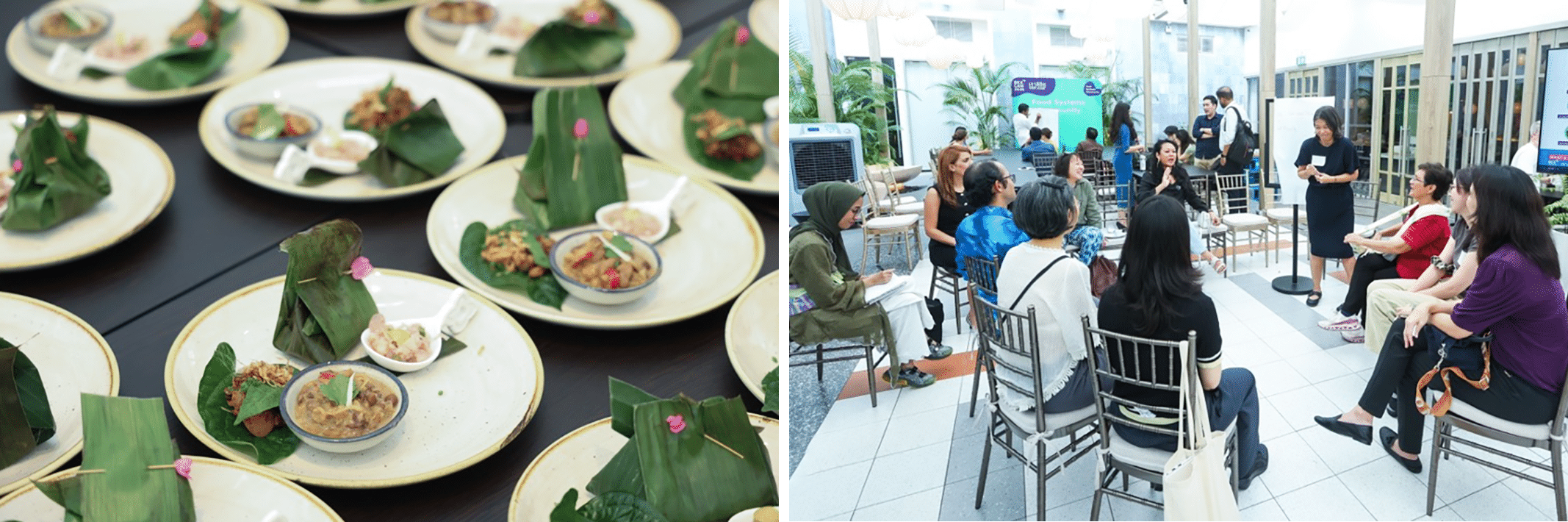
One of my biggest takeaways was that conversations about food security and climate action can begin at our own dining tables. Social media increasingly shape what people, particularly younger consumers, aspire to eat. A restaurant or dish can become popular almost overnight, yet how often do we consider whether the food is healthy and nutritious, where its ingredients come from, how they are produced, or their environmental footprint? What we choose to eat can influence consumer demand and, in turn, how food is produced. However, sustainable eating is not simply about making more informed choices.
Affordability, accessibility, convenience, and cultural traditions also determine what people can realistically eat. Encouraging sustainable diets must therefore consider not only environmental impacts, but also nutrition, people’s everyday circumstances, and food security.
The discussion about what we eat also raised another question: what does it take for farmers to produce food more sustainably? Consumer demand may encourage change, but farmers still face financial and practical constraints. Rice, a staple food and an important source of livelihoods across ASEAN, illustrates this tension. Flooded rice paddies can generate methane emissions, yet adopting lower-emission practices requires resources and appropriate incentives.
During “Financing Farmers for Climate Action”, FAO’s AgroAdapt simulation put me in the position of a policymaker navigating limited budgets, different farming conditions, and negotiations with farmers and community leaders. The investment pitches also introduced different financing mechanisms, including public support, risk-sharing arrangements, and agricultural insurance. What struck me was that mobilising more finance does not necessarily translate into viable investments.
Financing instruments must match the risks, costs, and expected returns of agricultural activities while addressing farmers’ actual needs. Ultimately, supporting climate action in agriculture is not just about making funding available, but making sustainable practices financially feasible for farmers without compromising their livelihoods.
Beyond the technical discussions, one lesson stood out: food security cannot be addressed from a single perspective. From researchers and farmers to governments, communities, and even food influencers, each brings a different piece of the bigger picture. Listening to these voices helps us recognise trade-offs, challenge assumptions, and connect the dots before jumping to solutions. Conversations with practitioners across Australia and ASEAN also showed the value of learning from regional experiences while recognising local differences. Effective food security policies require us to bring these perspectives together, find common ground, and strategically frame evidence for decision-makers without overlooking the realities on the ground. After all, listening is not separate from building a strong policy argument. It is where that argument begins.