

High-throughput molecular tools for understanding soil and plant microbiomes for sustainable production in agriculture
July 21, 2026
Dr Himani Priya, a scientist from the ICAR-Indian Agricultural Research Institute (ICAR-IARI), recently completed a Crawford Fund Fellowship, undertaking training at CSIRO’s Waite Campus in Adelaide organised by CSIRO’s Dr Gupta Vadakattu, Senior Principal Research Scientist in Functional Soil Biology with support from the Crawford Fund for Food Security’s South Australia Committee.
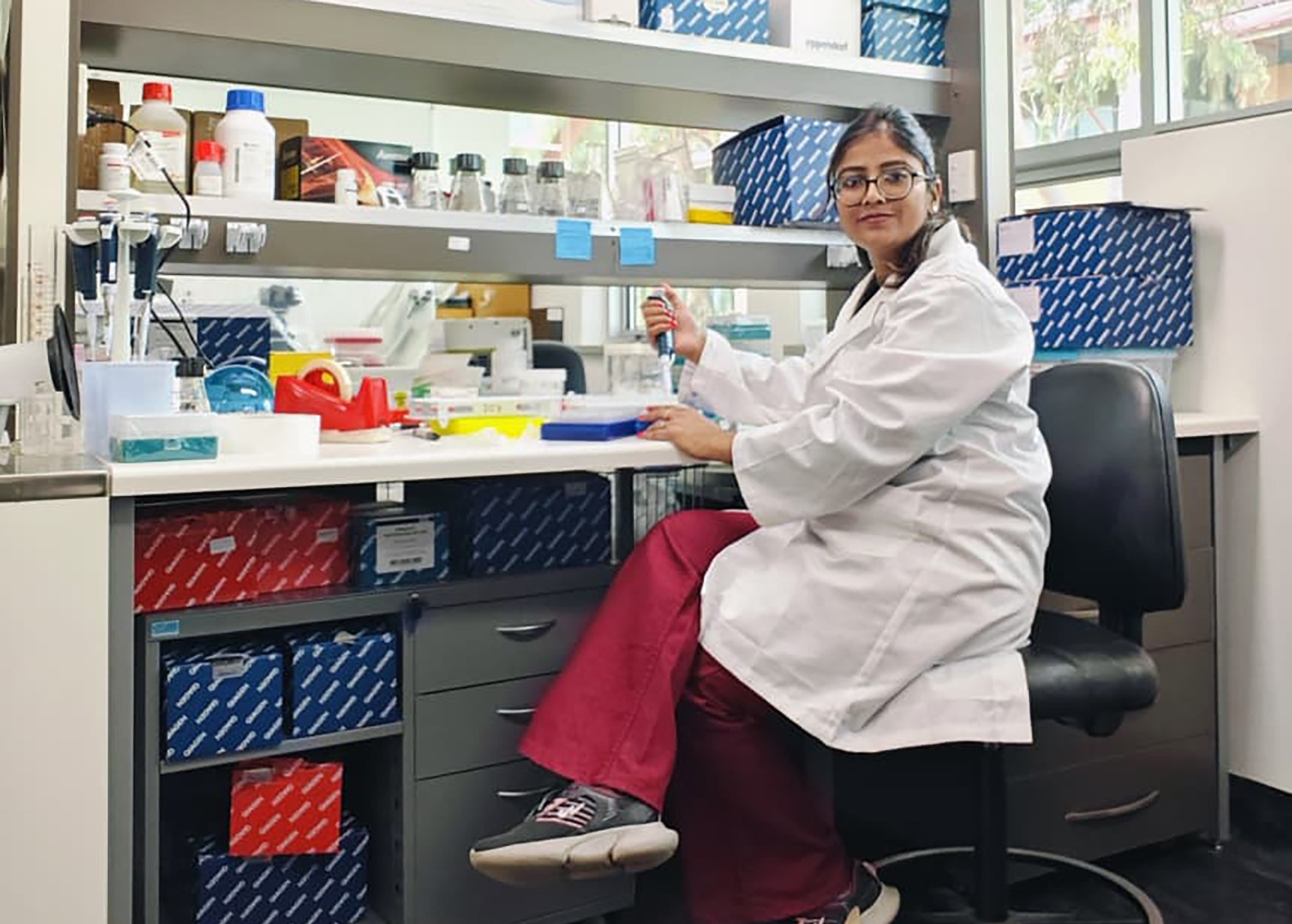
“The training focused on advanced molecular and bioinformatics approaches for studying soil and plant-associated microbial communities,” said Dr Vadakattu.
“During Priya’s training, she gained hands-on experience in soil DNA extraction and purification, PCR, quantitative PCR (qPCR), sanger sequencing, amplicon sequencing, and bioinformatics analysis of microbiome datasets,” he said.
A major component of the training involved analysing sorghum rhizosphere diazotrophic communities from field experiments established at two contrasting locations in Australia; Forest Hill and Loxton. More than 290 bacterial isolates were isolated and characterized using molecular tools to investigate the diversity and abundance of nitrogen-fixing microorganisms.
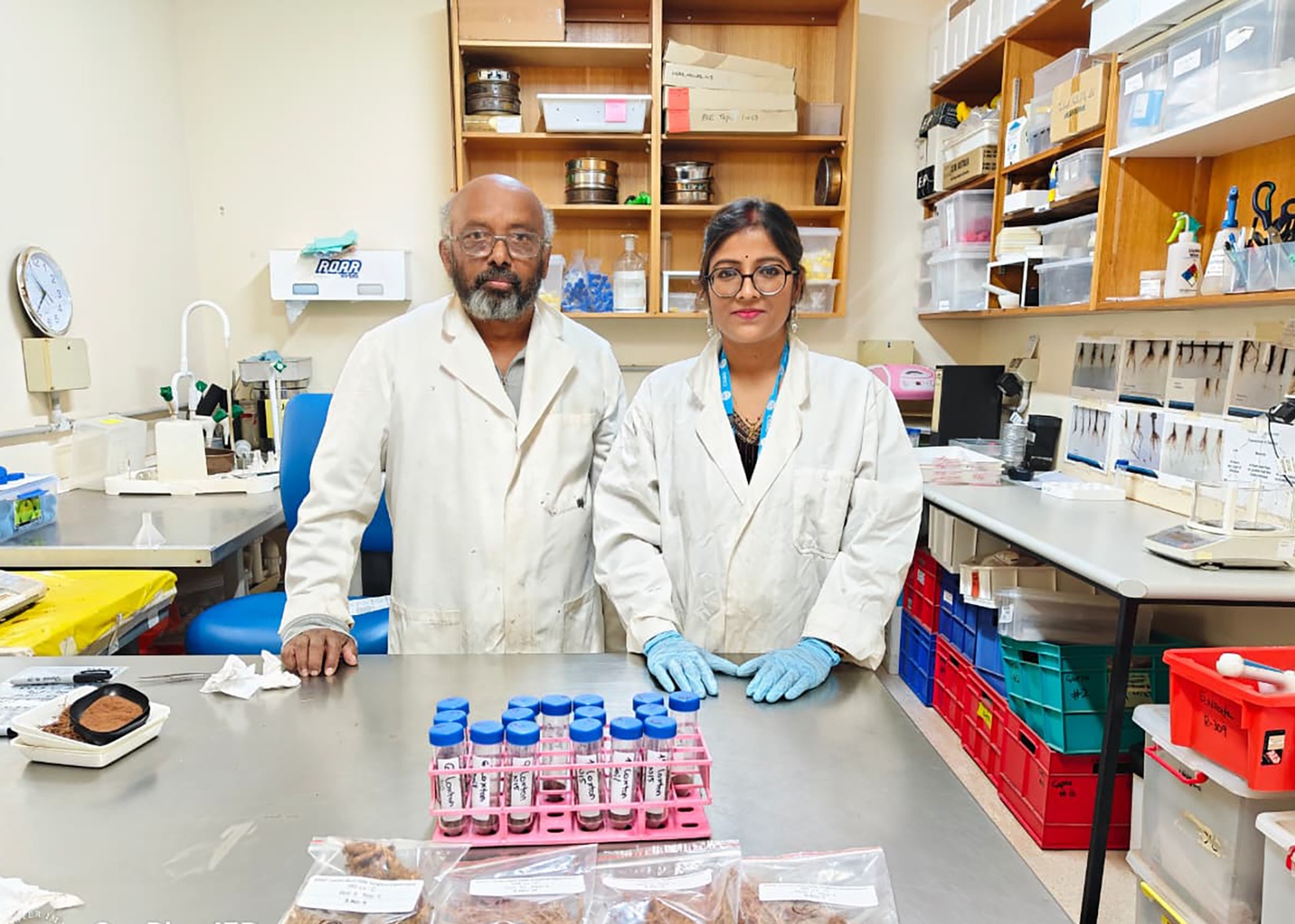
The training also provided practical experience in analysing microbial communities using both culture-dependent and culture-independent approaches, enabling a better understanding of the relationship between soil properties and microbial diversity.
According to Dr Vadakattu, the expertise gained by Dr Priya will be applied to ongoing research at ICAR-IARI on microbial bioinoculants, and role of soil microbiome on soil health, under various cropping conditions viz., natural farming, intercropping, and sustainable cropping systems.
“The application of high-throughput molecular tools is expected to strengthen microbiome-based research for improving nutrient use efficiency, soil fertility, and sustainable agricultural productivity in India,” he said.
“The training also created opportunities for scientific interaction with researchers at CSIRO and strengthened the foundation for future collaborative research between Australia and India in the field of agricultural microbiome research,” he concluded.
“I express my sincere gratitude to the Crawford Fund for providing me with the opportunity to undertake this training,” said Dr Himani Priya.
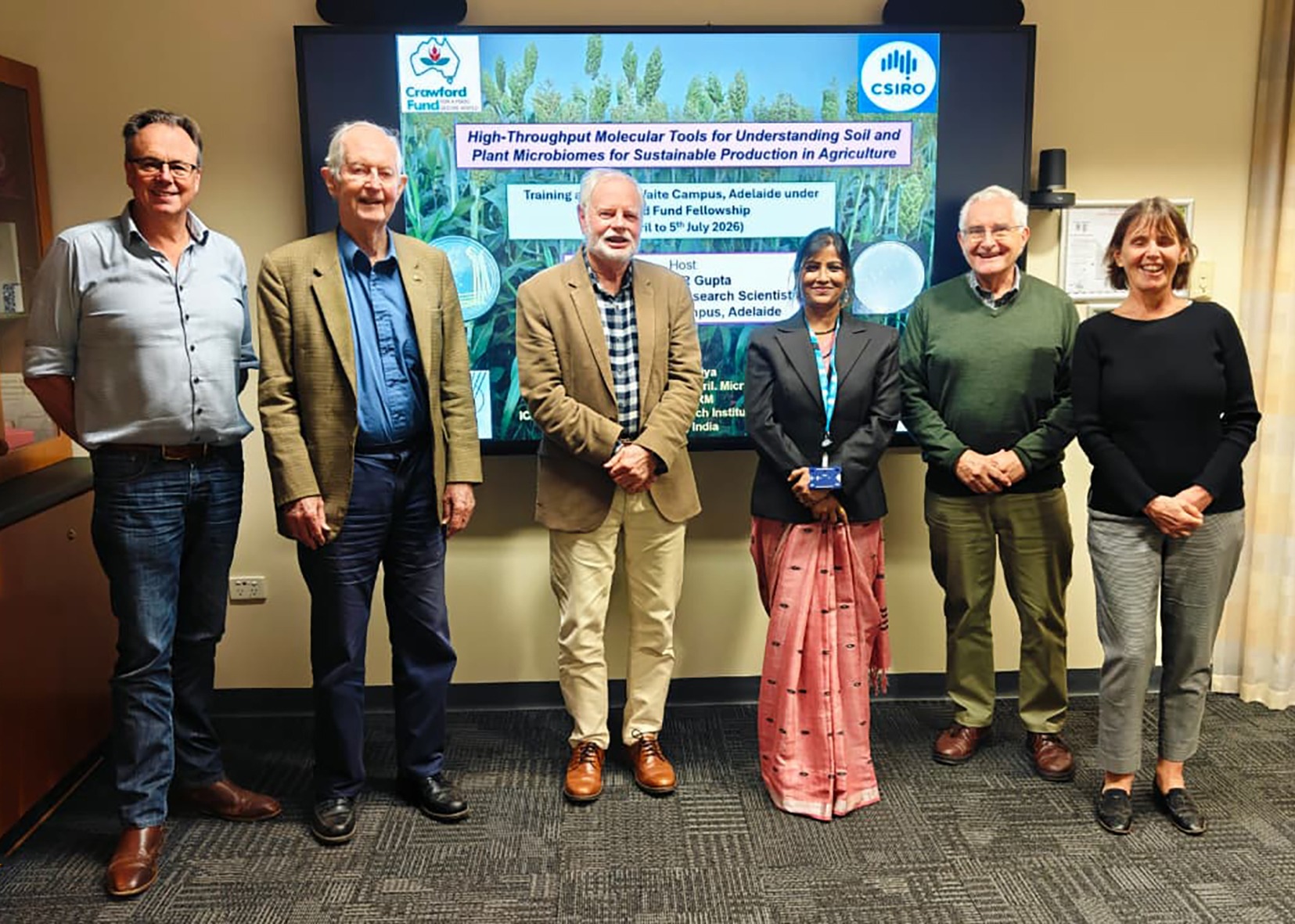
“During my visit and training at the Functional Soil Biology laboratories, CSIRO, Agriculture and Food, Waite Campus, Adelaide, I gained practical knowledge and hands-on experience in advanced molecular techniques for studying soil and plant microbiomes,” said Himani.
“My training programme was basically related to learning advanced molecular tools and bioinformatics tools to understand soil and plant microbiomes for sustainable production in agriculture. The advanced knowledge and practical skills gained through this training are expected to strengthen agricultural research and development in India, specifically in the rainfed and irrigated agricultural systems in the Jharkhand (Eastern India) region, by enabling the application of high-throughput molecular tools for studying soil and plant microbiomes,” she said.
“These technologies will facilitate the identification and characterisation of beneficial microorganisms involved in nutrient cycling, biological nitrogen fixation, and plant growth promotion. These molecular approaches will enable the monitoring of microbial diversity and soil biological functions across different cropping systems in the acidic soils of Jharkhand, supporting the development of sustainable agricultural practices,” she said.