

Strengthening Disease Management of Banana in Timor-Leste
November 12, 2026
The Crawford Fund for Food Security’s QLD Committee supports targeted training and mentoring of overseas scientists and extension officers by experienced Queensland counterparts working on similar agricultural research challenges.
In 2025, they announced the recipients of four International Engagement Awards, including one to Dr Lilia Carvalhais, Senior Postdoctoral Research Fellow, Centre for Horticultural Science, Queensland Alliance for Agriculture and Food Innovation (QAAFI) at the University of Queensland to deliver a training workshop titled Strengthening Disease Management of Banana in Timor-Leste in Dili.
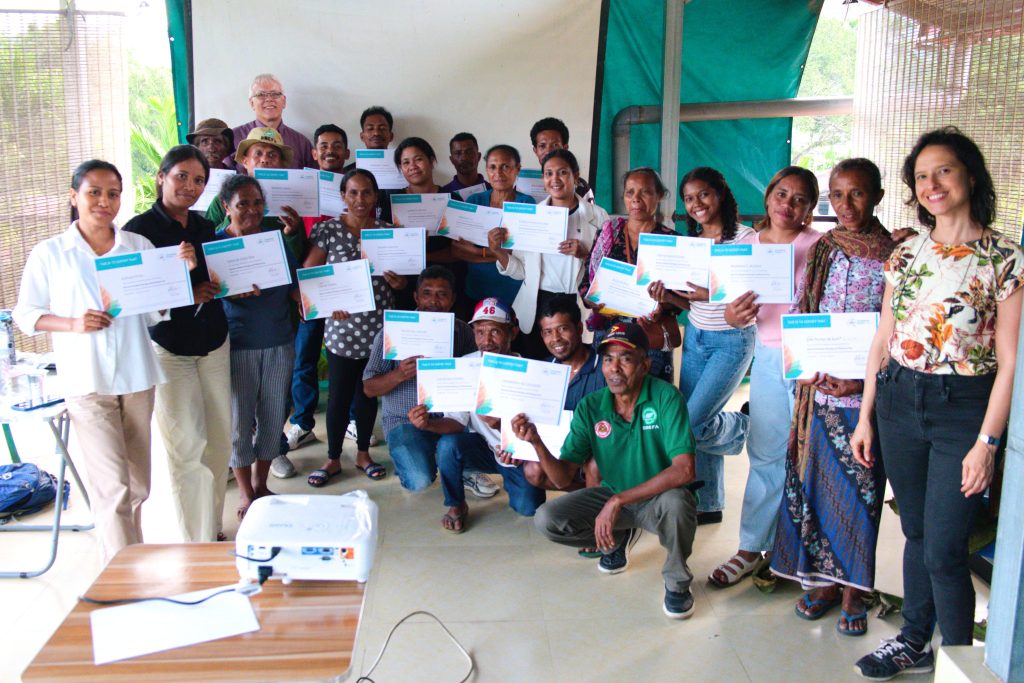
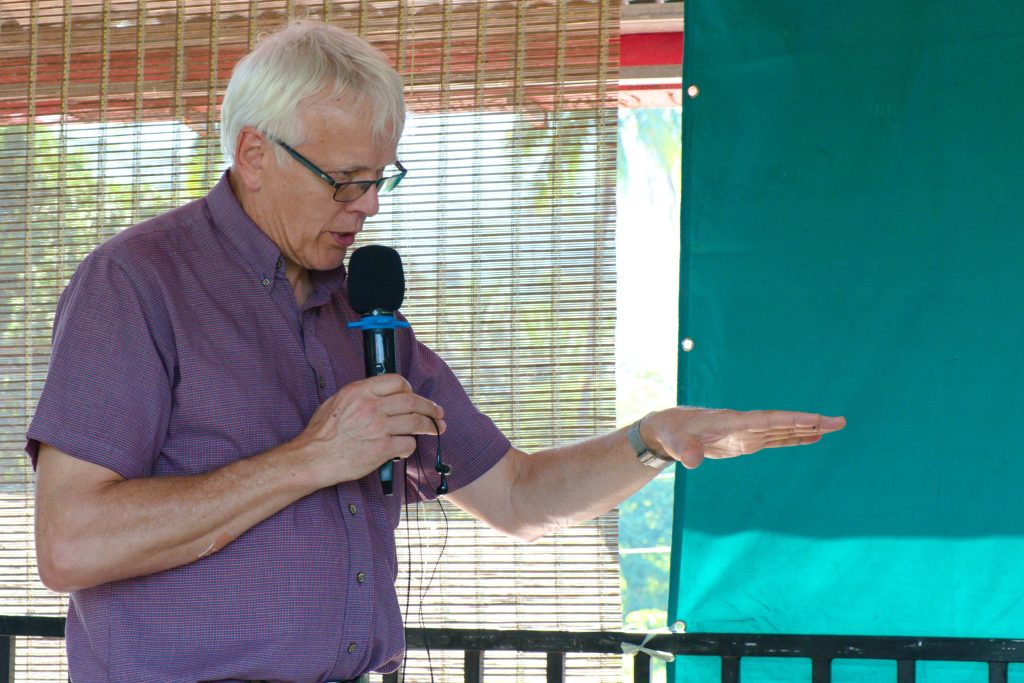
In May and June 2026, three banana disease workshops were held in Timor-Leste in Dili, and in the small regional towns of Viqueque and Same. The workshops were delivered by Dr Lilia Carvalhais and her colleague, Prof Andre Drenth from the University of Queensland.
“Bananas are vital to food security, household income and trade in Timor-Leste, and Queensland’s experience in managing major banana diseases will help equip stakeholders in Timor-Leste with the knowledge to identify, monitor and manage exotic and emerging banana diseases,” said Lilia.
The workshops focused on exotic and emerging banana diseases threatening Timor-Leste and aimed to strengthen local diagnostic and biosecurity capacity. Participants included local banana farmers, researchers, quarantine personnel, academics, agricultural extension officers from the Ministry of Agriculture and the National University of Timor-Leste (UNTL).
The first part of the workshops consisted of presentations on major banana diseases of biosecurity concern, including the bacterial wilts of banana (Moko, banana blood disease and Xanthomonas wilt), Banana Bunchy Top (BBTV), banana phytoplasma associated wilt, Fusarium wilt, Sigatoka diseases and banana freckle disease.
“The presentations focused on disease symptoms, pathogen biology, disease transmission pathways, host range, quarantine risks and practical disease management approaches suitable for Timor-Leste conditions. Interactive discussions allowed participants to clarify important issues regarding disease spread, insect vectors, fallow periods, host susceptibility and the identification of diseases during quarantine inspections,” said Lilia.
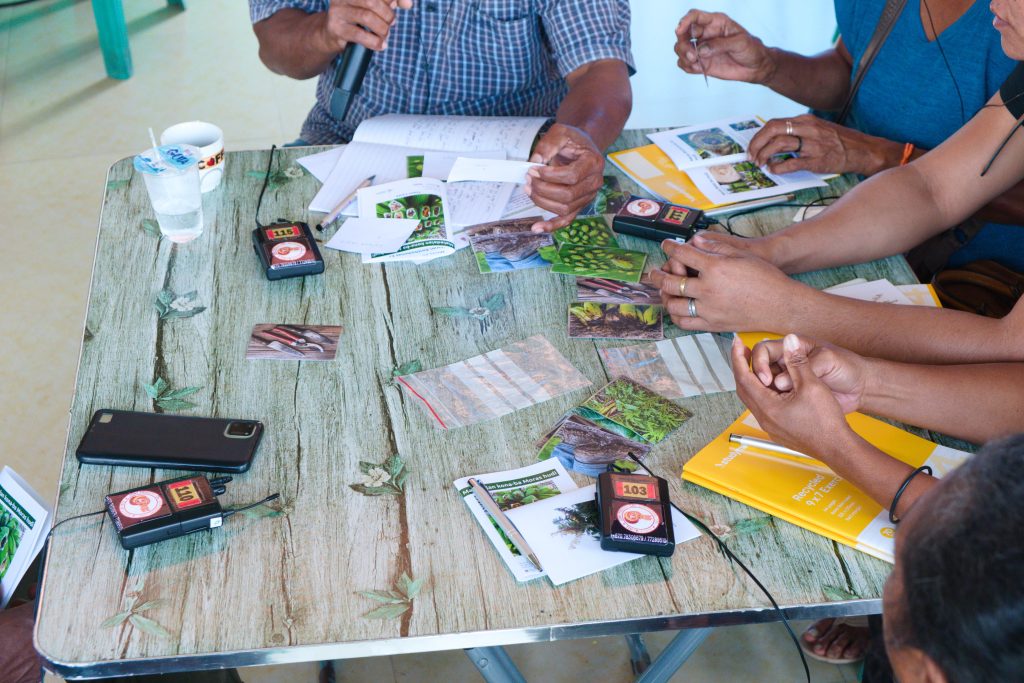
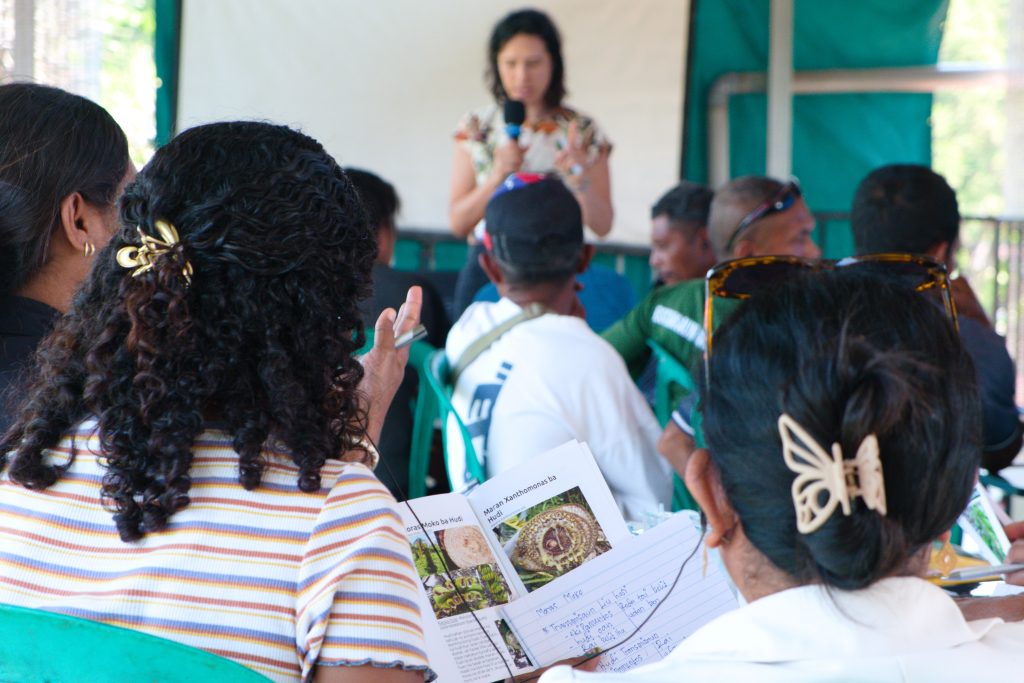
The second part of the workshops involved practical hands-on activities designed to improve disease recognition skills. Participants used illustrated field guides and card-sorting exercises to identify disease symptoms and modes of pathogen transmission.
“Although some participants initially found the lecture and diagnostic exercise format challenging, engagement increased substantially throughout the workshops, particularly among experienced farmers and extension officers. The training also helped participants recognise that symptoms previously assumed to reflect natural ageing of banana plants could instead indicate disease problems requiring management,” she said.
In addition to the workshops, three days of field training in the regions around Dili, Viqueque and Same improved the capacity of quarantine staff, extension officers and growers to recognise and manage banana diseases.
“Important knowledge gaps in banana disease identification, management of diseases, as well as general production practices in Timor-Leste were observed highlighting the need for ongoing and expanded training activities throughout Timor-Leste. Timor-Leste remains free from several devastating banana pathogens that are also exotic to Australia, including Moko, banana blood disease and Fusarium wilt tropical race 4,” said Lilia.
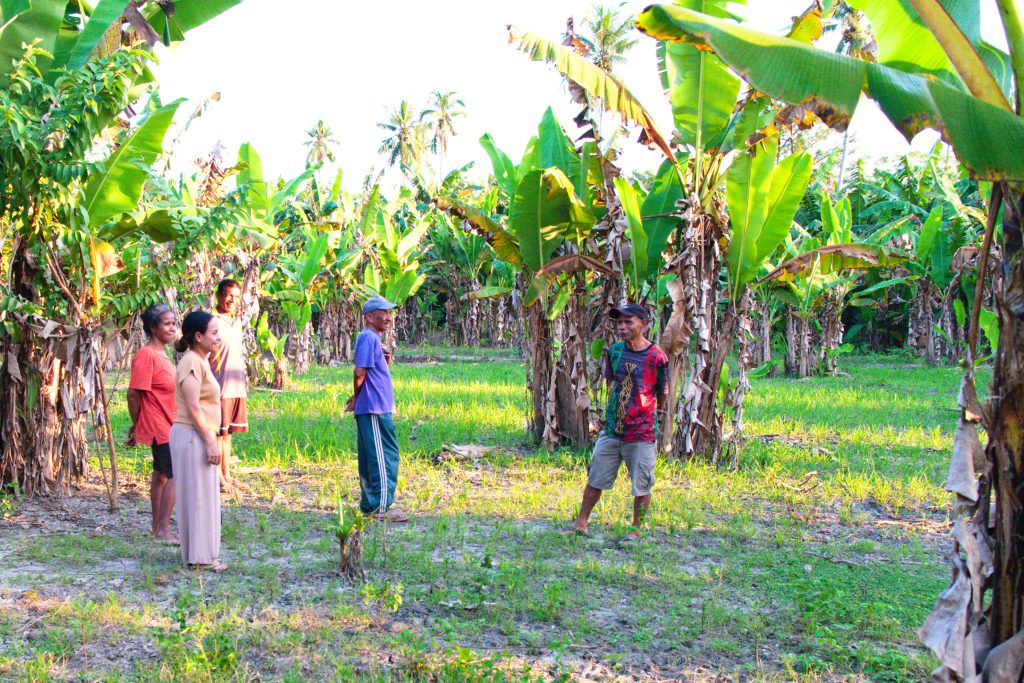
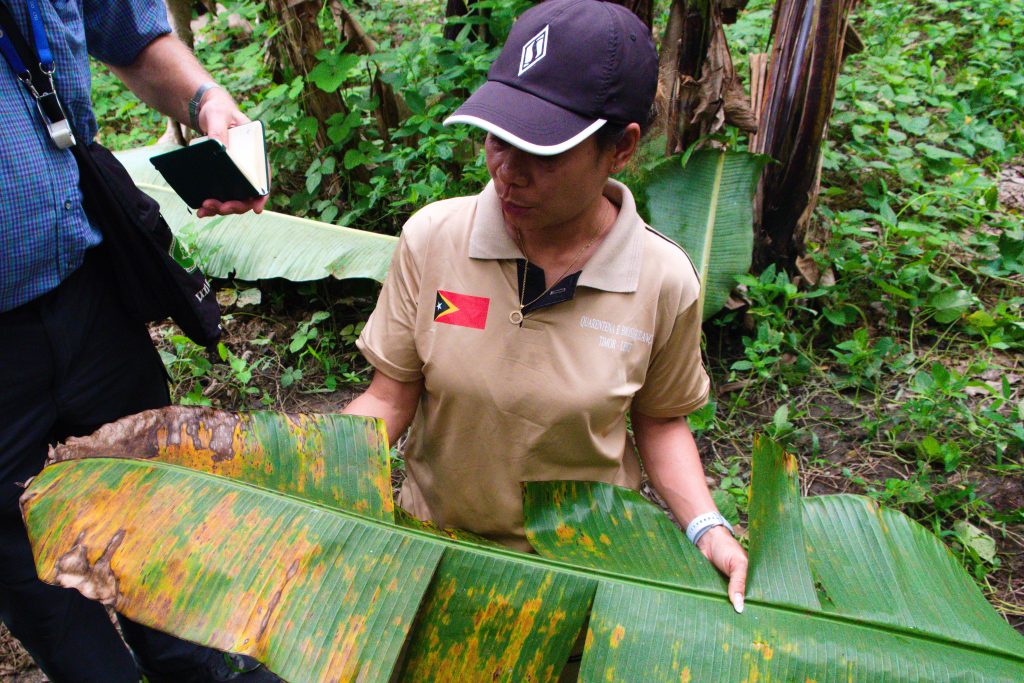
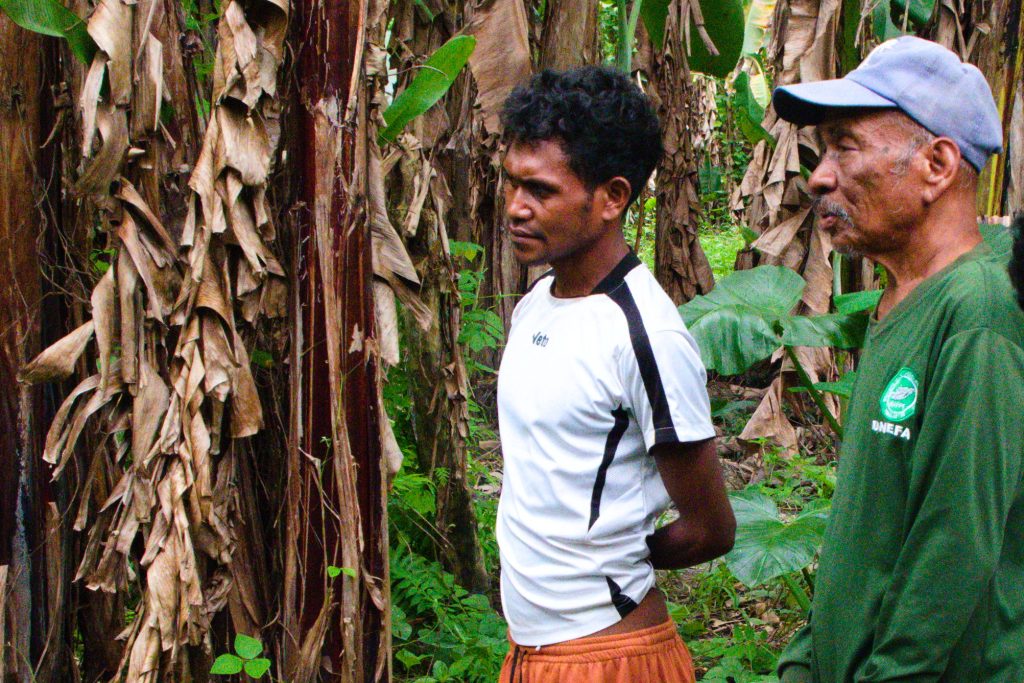
A diagnostic field guide including all relevant banana diseases, translated into Tetum, was produced and a waterproof hard copy printed on NeverTear paper distributed to all participants. All participants who had WhatsApp (the most common form of electronic communication in Timor-Leste), were added to the group ‘Grupo Workshop Hudi’ (‘Banana Workshop Group’), and the electronic version of the guide, both in English and in Tetum, shared to all group members.
“We still plan to prepare visual guides illustrating achievable disease management and biosecurity practices in Tetum to be shared in the Whatsapp group. Participants were encouraged to use the group as a means to (a) report any disease symptoms to Extension Officers and Quarantine staff from the Timor-Leste Ministry of Agriculture, (b) contact Dr Carvalhais and Prof Drenth with any further questions, and (c) share information with each other and other local farmers,” she said.
“As Timor-Leste lies only 500 km from the Australian coastline, strengthening local diagnostic and biosecurity capacity contributes directly to protecting the Australian banana industry, valued at approximately $600 million annually,” said Lilia.
“The workshops established new links between Australian and Timorese researchers, quarantine personnel and extension officers, creating opportunities for continued collaboration, rapid disease reporting and future biosecurity initiatives benefiting both countries,” she added.
Participant feedback from the Dili, Viqueque and Same workshops was overwhelmingly positive and highlighted the practical value of the training for farmers, extension officers, researchers, and university staff. The workshops concluded with valuable stakeholder feedback, for example:
- farmers noted that prior to the workshops, they had no understanding of basic diseases of banana, and had assumed that symptomatic plants were simply ageing. Others noted that they never had an opportunity to learn about banana cultivation, despite bananas being one of the most important food crops in Timor-Leste, providing food security during lean periods.
- local researchers and quarantine officers noted that while annual surveys show Timor-Leste currently remains free of several devastating exotic banana diseases, the training provided in these Crawford Fund workshops build further crucial diagnostic capacity to strengthen national biosecurity, while local extension officers and farmers expressed an urgent need for continued educational resources to monitor their crops and to improve their cropping systems.
- collaborators from the Quarantine section of the Ministry of Agriculture pointed out that local extension officers and growers confessed that the concept of banana plants getting diseases was new to them, with a greater focus on plant pests rather than diseases.
“The training highlighted important knowledge gaps in disease identification, management of plant diseases and in general production practices among participants, reinforcing the need for continued capacity building to support banana productivity and biosecurity in Timor-Leste,” she concluded.