

Reef recovery for food security: building Pacific capacity in critical fisheries habitat restoration
July 14, 2026
The Crawford Fund for Food Security’s QLD Committee supports targeted training and mentoring of overseas scientists and extension officers by experienced Queensland counterparts working on similar agricultural research challenges.
In 2025, they announced the recipients of four International Engagement Awards, including one to Hillary Smith, a Senior Research Officer and Lecturer from James Cook University, who travelled to the Pacific Island nation of Wallis and Futuna.
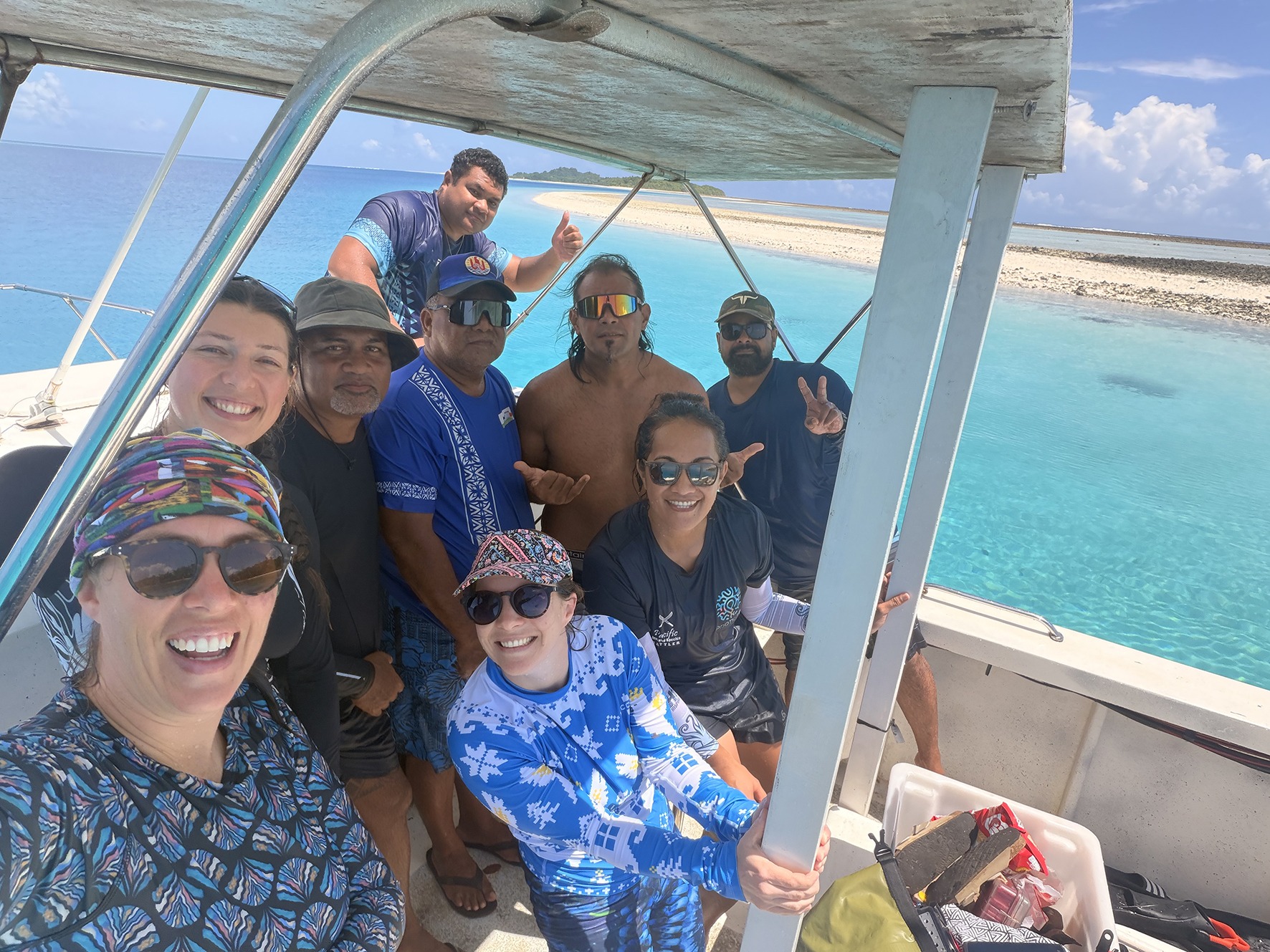
“With support from the Crawford Fund, I partnered with the Service Territorial de l’Environnement (STE) of Wallis and Futuna to deliver hands-on training in coral reef monitoring and restoration of critical fish habitats,” said Hillary.
“The program aimed to build local capacity so that environmental managers can independently assess reef health, identify sites requiring intervention, and implement practical restoration techniques to replenish critical fish habitats, with methods suited to the unique challenges of remote Pacific islands,” she said.
The training combined classroom sessions with extensive field-based learning on local reefs.
“Our initial monitoring identified that coral habitats experienced significant mortality from the 2024 Global Bleaching Event, and there was an associated collapse in fish stocks. Hence, the focus was on simple, evidence-based approaches to re-establish critical fisheries habitats that were lost after the catastrophic bleaching, using methods that can be sustained using local resources and adapted to community-led conservation initiatives,” said Hillary.
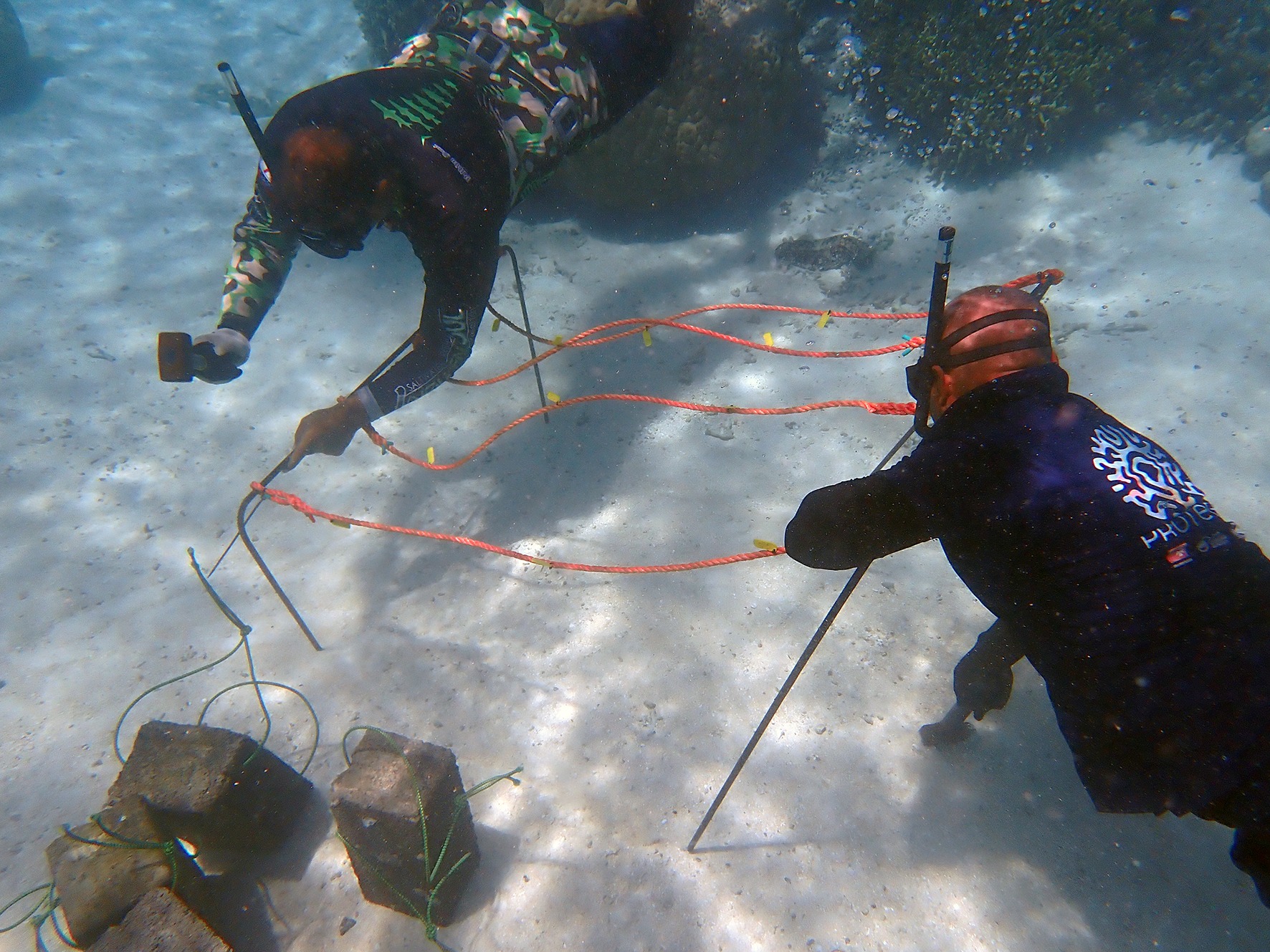
Participants gained practical experience in reef survey methods, coral settlement plate installation and assessment, and a range of low-cost restoration techniques, including sea-weeding to reduce algal competition, establishing coral nurseries, and coral out-planting.
“As part of the project, we co-designed an innovative coral nursery layout to encourage fish colonisation: linear nurseries were used to connect healthy patches of reef with degraded patches, encouraging fish colonisation to broader reef areas. An immediate fisheries impact was visible, with fish rapidly colonised the coral nurseries and sea-weeding sites, and these are now preferred fishing spots for locals,” she said.
Beyond technical skills, the training fostered valuable knowledge exchange between Australian coral reef scientists and environmental managers from Wallis and Futuna. Discussions explored which habitats are most valued by local fisherfolk, how restoration methods developed in Queensland can be adapted to Pacific settings, and the cultural, logistical, and environmental realities of reef and fisheries management in remote communities.
“By strengthening local expertise, the project is helping reduce reliance on external consultants and empowering Wallis and Futuna to lead their own reef monitoring and restoration programs. The training also lays the groundwork for future collaborations, supporting community groups (e.g. canoe clubs), schools, and customary marine protected areas as they develop locally led conservation initiatives,” said Hillary.
“This partnership demonstrates how international collaboration and practical capacity building can contribute to healthier coral reefs, increased fish stocks to underpin food security, and more resilient coastal communities across the Pacific,” she concluded.