

Professor Glenn Denning
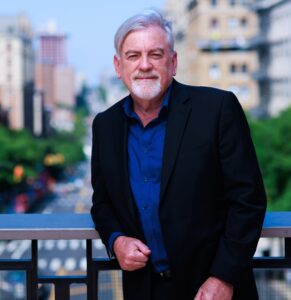 Professor of Professional Practice, Columbia University
Glenn Denning is founding Director of the Master of Public Administration in Development Practice (MPA-DP) at Columbia University’s School of International and Public Affairs (SIPA). Prior to joining SIPA, Denning held senior management and research positions at the International Rice Research Institute, the World Agroforestry Centre, and Columbia’s Earth Institute.
Denning contributed to the design and establishment of the Global Agriculture and Food Security Program (GAFSP) and served on GAFSP’s Technical Advisory Committee (2010-14). He also served on the founding board of the Institute of African Leadership for Sustainable Development (UONGOZI Institute). Denning has advised the Asian Development Bank on aligning its strategy and operations to the 2030 Agenda and the SDGs.
In 2000, Denning was recognized by the Government of Cambodia as Commander of the Royal Order of Sahametrei. In 2014, he received the Columbia University Presidential Award for Outstanding Teaching. He won the Global Australian of the Year Award for 2023, recognizing his efforts to end global hunger and promote sustainable development. And in 2024, Denning was honoured as Alumnus of the Year by the University of Queensland.
Denning obtained his BAgrSc and MAgrSc from the University of Queensland, his PhD from the University of Reading, and his MPA from the Harvard Kennedy School.
Denning is the author of Universal Food Security: How to End Hunger While Protecting the Planet (Columbia University Press, 2023).
Keynote Address and Q&A – Professor Glenn Denning, 2025 Crawford Fund for Food Security Conference