

Ms Caitlin McConnel
Australian Farmer & Lawyer on legal issues
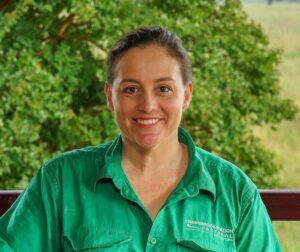
Caitlin McConnel is a sixth-generation farmer, legal strategist, and prominent agribusiness leader based at Cressbrook Station in Queensland’s Somerset Region—the oldest identified family business in the state. A passionate advocate for sustainable land stewardship and regional resilience, Caitlin combines deep practical experience on-farm with a strong legal and governance background.
She currently serves as Chair of the Queensland Rural and Industry Development Authority (QRIDA), having been appointed in April 2025 by the Hon. Dale Last MP. Caitlin is also actively involved in national industry conversations through roles with Cattle Australia, the Queensland Law Society, and the Department of Primary Industries ESG Working Group.
At Cressbrook Station, Caitlin manages a commercial beef cattle operation using regenerative, cell-grazing practices introduced by her great-grandfather in the early 1900s. She and her father were the first producers in Australia to install dual-axis solar trackers that operate alongside grazing, offering a unique model for co-locating clean energy infrastructure on working farms. She has since expanded operations to include pastured eggs, honey, horticulture, and direct-to-customer beef.
Caitlin brings a wealth of insight into climate resilience, multi-purpose land use, and food security, having also contributed to national policy through the Australian Government’s Food Security in Australia inquiry. She is a finalist in the 2025 Queensland 40 Under 40 Awards, recognised for her outstanding leadership in agriculture and law.
Session 2 Case Study– Ms Caitlin McConnel, 2025 Crawford Fund for Food Security Conference