

Dr Sandra Milach
Chief Scientist, CGIAR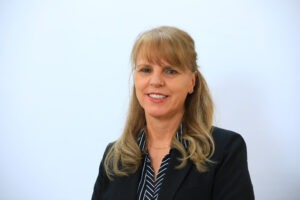
Dr Sandra Milach is responsible for leading CGIAR’s robust and transformative 2025-30 Research Portfolio, which connects a transdisciplinary network of scientists from a cross all 13 CGIAR Research Centers and engages with more than 3,000 partners.
She is passionate about collaboration and leading multidisciplinary teams focused on creating sustainable food solutions and a world without hunger. Known for her commitment to modernising seed-breeding programs that enhance agricultural productivity for farmers and consumers alike, her extensive experience in international agricultural research and development is underscored by her active participation in initiatives funded by major organisations such as USAID, the Brazilian Government (EMBRAPA), and the Bill & Melinda Gates Foundation (BMGF).
She has served as a board member and consultant for various organisations, including the International Potato Center (CIP), CIMMYT, the Soybean Innovation Lab (USAID), and Crops of the Future initiative (FFAR), among others.
Sandra’s professional journey includes notable positions at Corteva Agriscience and DuPont Pioneer, where she led global breeding technologies teams and developed predictive breeding systems. Her academic background includes a PhD in Plant Breeding and Genetics from University of Minnesota (USA) and over 10 years as an Adjunct Professor in the Department of “Crop Science at Federal University of Rio Grande do Sul (UFRGS, Brazil).
She has received numerous awards for her contributions to agricultural science, including the Albert Baez award for technical achievements and services to humanity (HENAAC).
ABSTRACT
Integrated science for a food-secure region: what the next decade of investment must deliver
Climate change is reshaping what farmers across the Indo-Pacific can grow. Shorter-term shocks like the strengthening El Niño expose the strain, but the deeper challenge is the long-term shift in growing conditions that sits beneath them. Meeting it calls for agricultural research that treats food, land, water, and climate as one connected system rather than a set of separate problems.
Integrated research is already delivering in practice. Where crop breeding, water management and climate adaptation are designed to work together, the outcomes show up in farmers’ fields: higher yields, more resilient harvests, and evidence that governments can use to shape policy.
Urgent investment is needed to turn research into innovations farmers can use, to sustain the partnerships behind it, and to build the long-term capability the region will draw on for decades. Independent analysis puts the return on CGIAR research at around ten dollars for every dollar invested since 1971. In Australia, every dollar invested in agricultural research over the past decade generated an estimated $7.82 in added value. Yet public investment in this research has fallen in real terms over two decades, just as climate pressures intensify.
Australia has shaped this field for decades through ACIAR and its partnership with CGIAR. With COP31 approaching, the question is where Australia’s greatest opportunity lies over the coming decade, and what it will take to move commitments from negotiation into practical results in farmers’ fields. Real progress also depends on addressing the scientific, institutional, and geopolitical barriers that could hold the region back before 2030.